Small City Public Transit Optimization: An Efficiency Guide for Limited Budgets
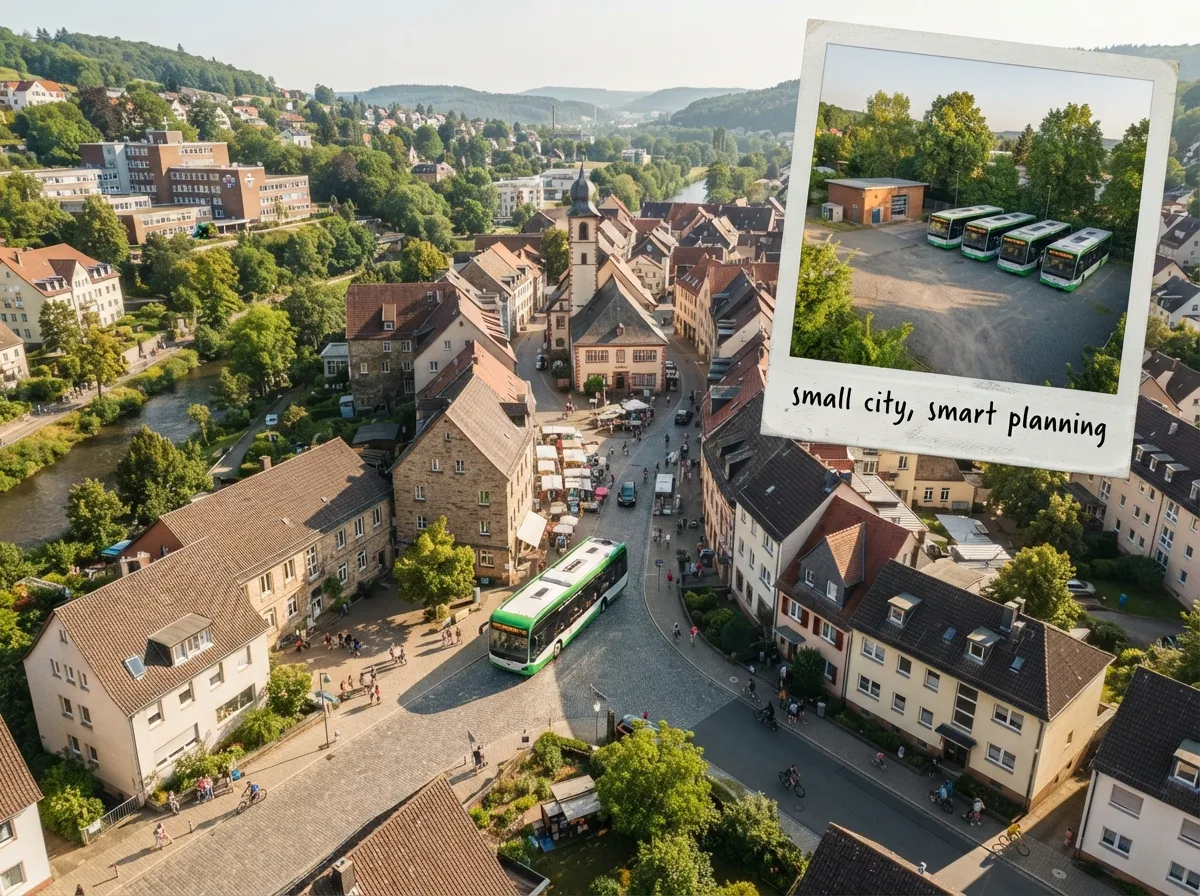
Public transit optimization in small cities is not a luxury—it is a critical lifeline to save tight municipal budgets. Practical insights from real cases.
Deep-tech perspectives on urban optimization, operational science, and decision intelligence.

Public transit optimization in small cities is not a luxury—it is a critical lifeline to save tight municipal budgets. Practical insights from real cases.
Series
From planning to data to operations — a three-part reading path. Each chapter sets up the next decision.
Quick Topics
How people perceive waiting, reliability, and trust — and why comfort is an operational cost.
Depot pull-outs, dead runs, and the fleet math that never shows up on the passenger map.
When GTFS looks clean on paper but the street tells a different story about service quality.
Research, models, and operations research — framed for people who approve the next timetable.
Small cities, fare-free experiments, and networks where budget and ridership collide.
What strategy games get right about transit — and what real cities must still prove.
Editor's PickWhat collective intelligence can teach us about public transport — and why exploring the solution space matters more than picking a single algorithm.
10 min read

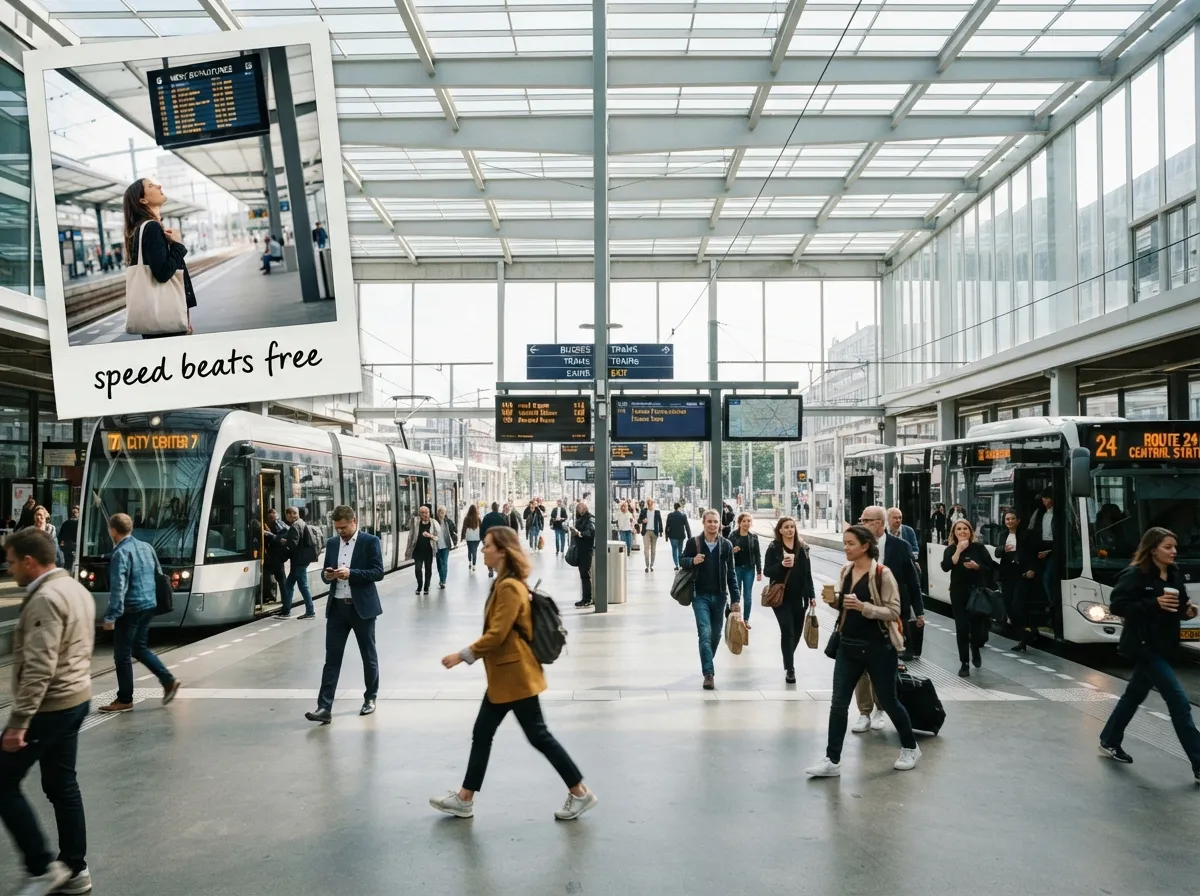
Fare-free transit sounds simple, but data shows mode choice is driven primarily by travel time and passenger signals like PCI—often triggering modal shift. Here is an OW data-driven roadmap for Türkiye’s cities.
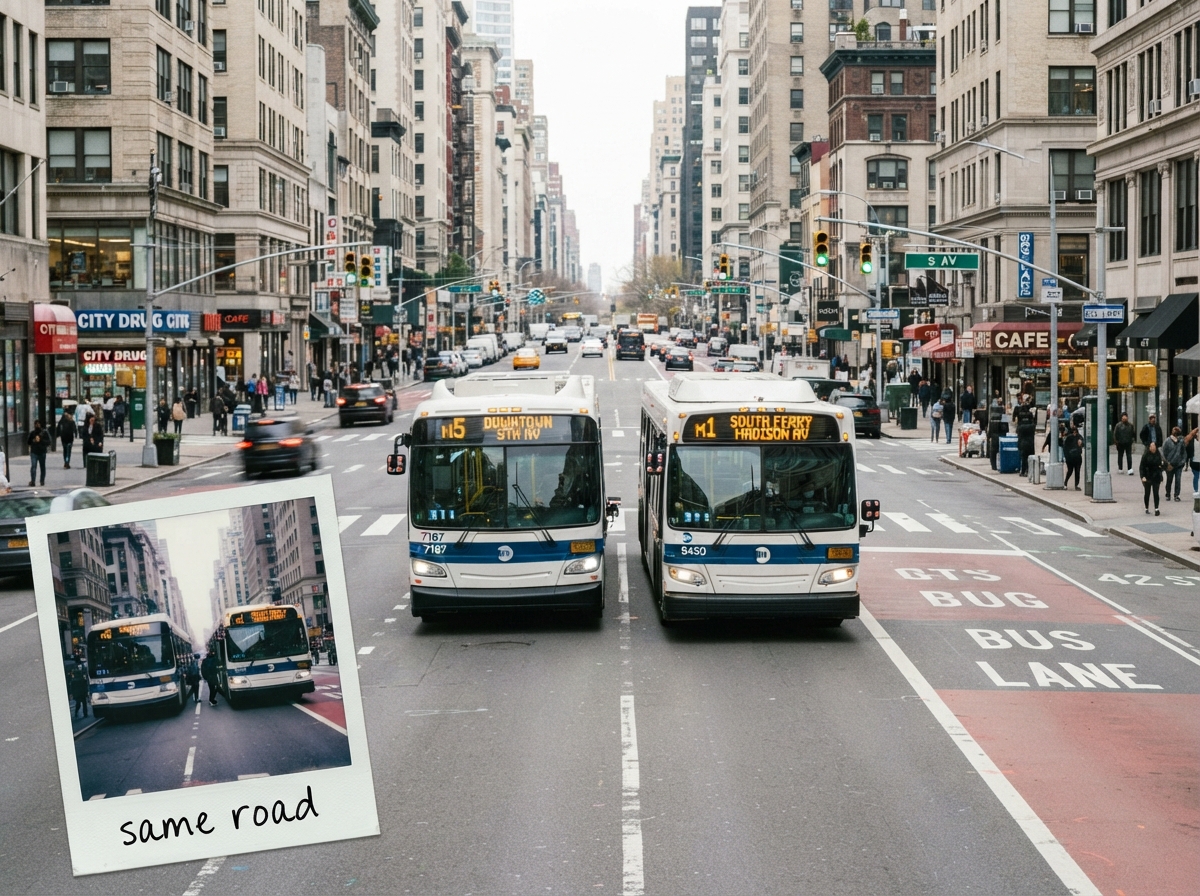
Transit isn't optimizedby adding more buses.
Continue exploring