11 min read
Is Money Everything? The Impact of Free Public Transport in Türkiye’s Metropolitan Cities (Melbourne Experience)

Written by Dr. Ümit Kuvvetli
Founder & Chief Optimization Scientist
A study by Wing Chung Li from the University of Melbourne, titled “Is money everything? Impact of free public transport on Melbournians’ mode selection,” confronts the populist promise of “fare-free public transport” with a sobering reality: for passengers, time is more valuable than money.
These academic findings offer a critical prescription for Türkiye’s metropolitan areas—from Istanbul’s traffic struggles to İzmir’s transfer hubs and Ankara’s accessibility challenges. Through the lens of Optimize World (OW), here is a data-driven public transport optimization roadmap.
The Problem: Is money everything? Time, modal shift, and hidden trade-offs
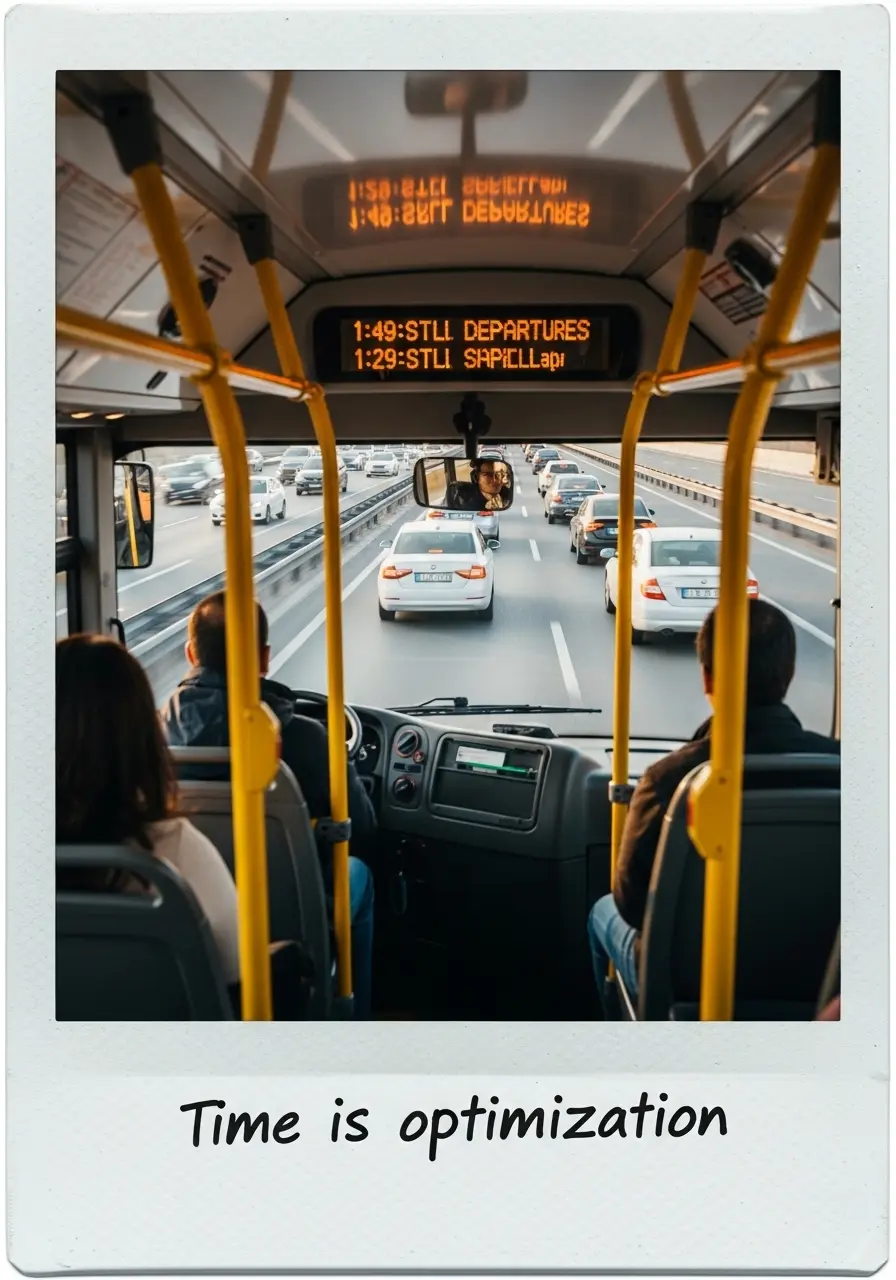
- Money Isn’t Everything: The Mathematics of Time 💰❌ The study’s most striking result is that fare ranks among the lowest priorities when passengers choose their mode of transport. For 54% of respondents, travel time is the decisive factor.
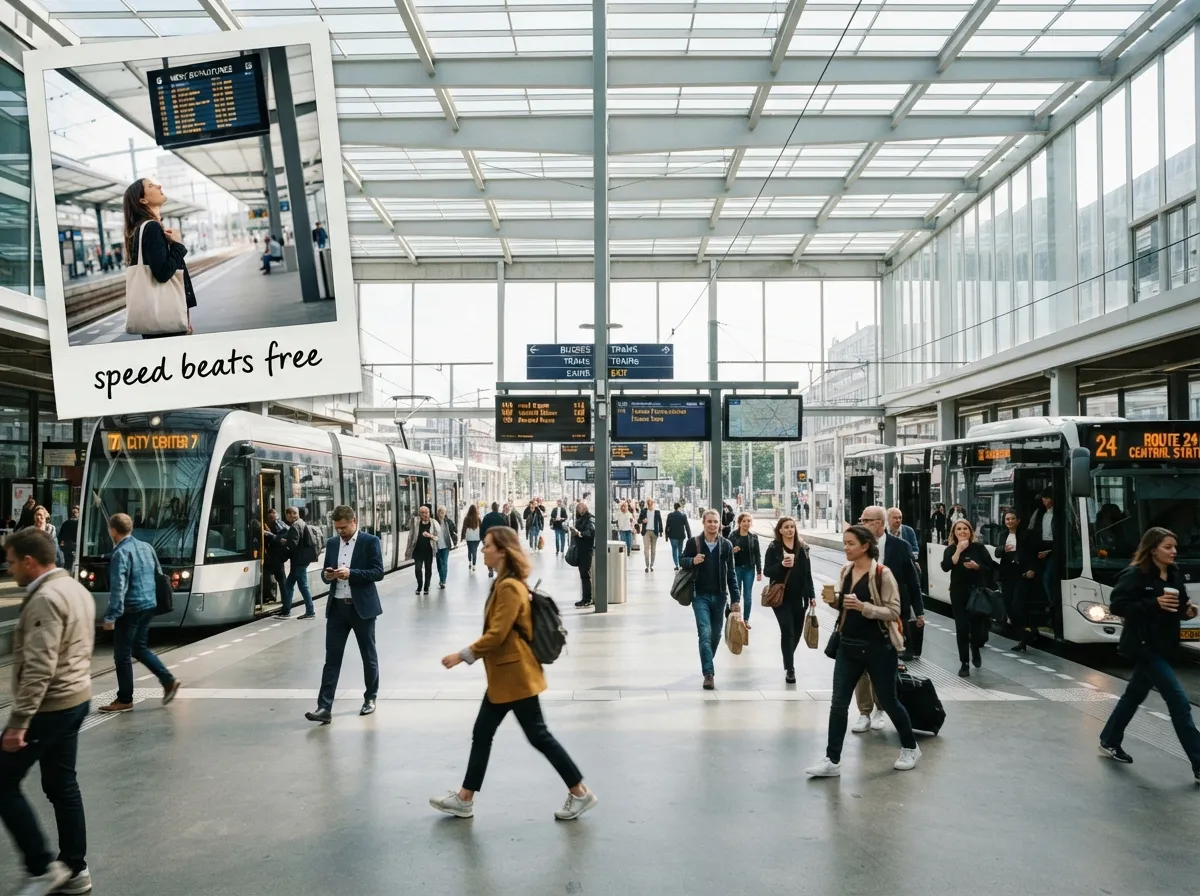
OW Perspective: For someone in Istanbul, making the metrobus free is a “gesture.” But reducing the journey from Zincirlikuyu to Avcılar from 45 minutes to 25 minutes is a solution. OW’s combinatorial optimization algorithms don’t just optimize routes—they optimize seconds. A free transit system that doesn’t shorten travel time merely creates “free traffic.”
- Who Is (and Isn’t) Attracted by Free Transit? 🤔 Melbourne’s data shows that only one-third of car-only users are willing to switch when public transport becomes free. For the remaining majority, comfort and habit outweigh price.
OW Perspective: To attract car owners, you must raise the Passenger Comfort Index (PCI)—not just eliminate the fare. OW Suite optimizes in-vehicle load profiles and waiting times (headways), transforming public transport from a “cheap alternative” into a premium choice.
- The Hidden Risk: A Shift Away from Active Transport 🚶♂️🚴♂️⚠️ Evidence from Tallinn (Estonia) and Melbourne points to a common unintended consequence: fare-free systems often attract existing pedestrians and cyclists rather than car users—a modal shift from active transport.
OW Perspective: Transportation is not a competition between modes; it is the integration of systems that complement each other. OW’s Decision Intelligence approach synchronizes bike lanes with feeder lines. Our goal is not to kill healthy mobility but to reduce car dependency through multimodal integration.
Analysis: GTFS data quality, dead mileage, slope penalty, and PCI signals
An OW Prescription for Türkiye’s Three Largest Metropolises 🏙️ Istanbul: Optimizing Capacity and Speed If a passenger has to wait for 3–4 metrobus departures before boarding, free fare won’t keep them from returning to their car. OW’s MIP-based scheduling solutions analyze dynamic demand patterns in real time, preventing station overcrowding. Speed is the ultimate incentive.
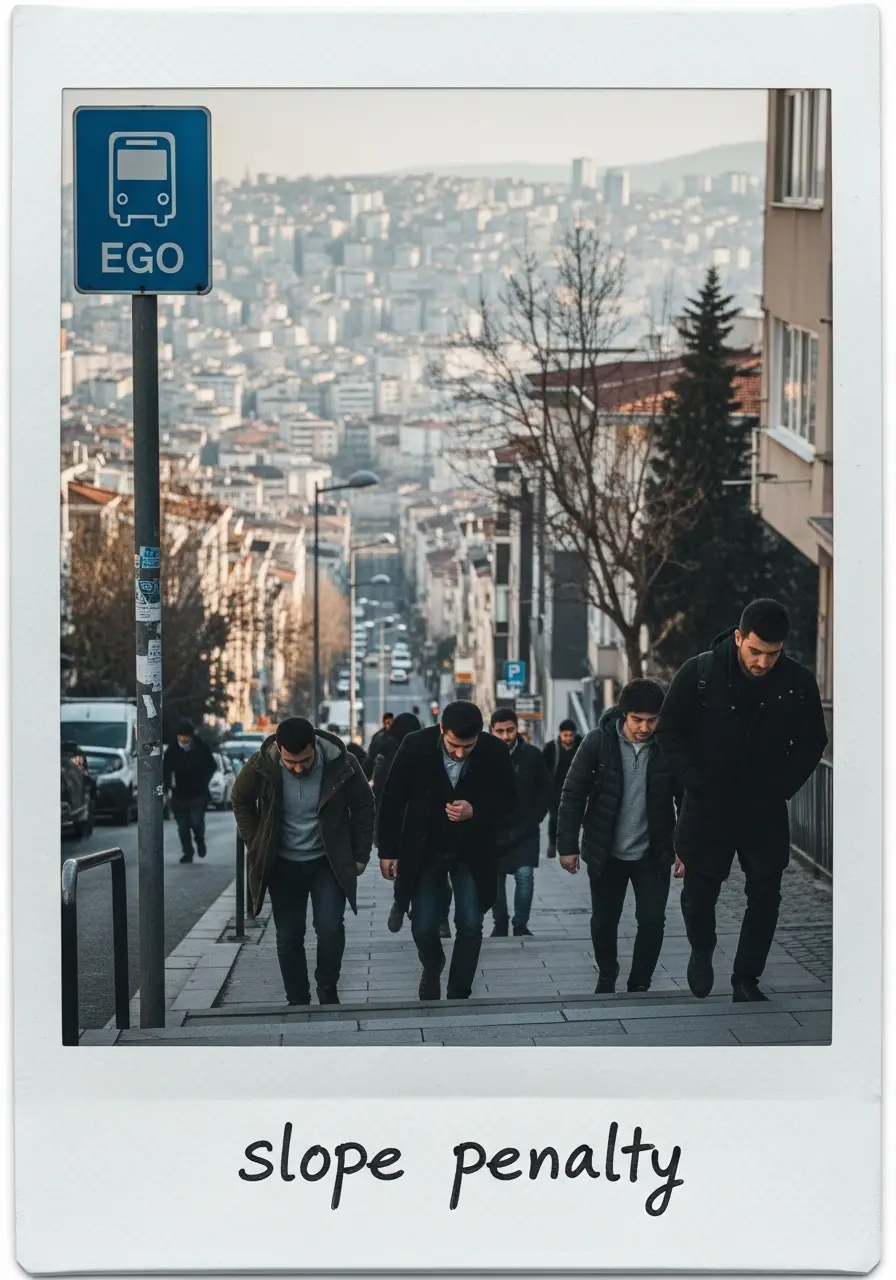
Ankara: Accessibility with slope penalty In a hilly city like Ankara, a stop may be 400 meters away “as the crow flies,” but a steep incline can make it virtually inaccessible. OW’s slope penalty algorithm calculates walking impedance to place stops at the most effective locations. If access isn’t easy, being free means little.
İzmir: Transfer Synchronization Efficiency In İzmir, synchronization between ferries, rail systems, and buses is a more powerful “tie-breaker” than free fares. OW’s Transit Scheduling module minimizes waiting times at transfer hubs, delivering a seamless travel experience.
3 Golden Recommendations for Decision Makers 💡
- Invest in Speed and Punctuality: Prioritize dedicated bus lanes and AI-driven signal prioritization over free fares.
- Enhance Data Quality: The cleaner your GTFS data quality and real-time (GTFS-RT) feeds, the stronger your public transport optimization becomes. OW makes your system visible through robust data governance.
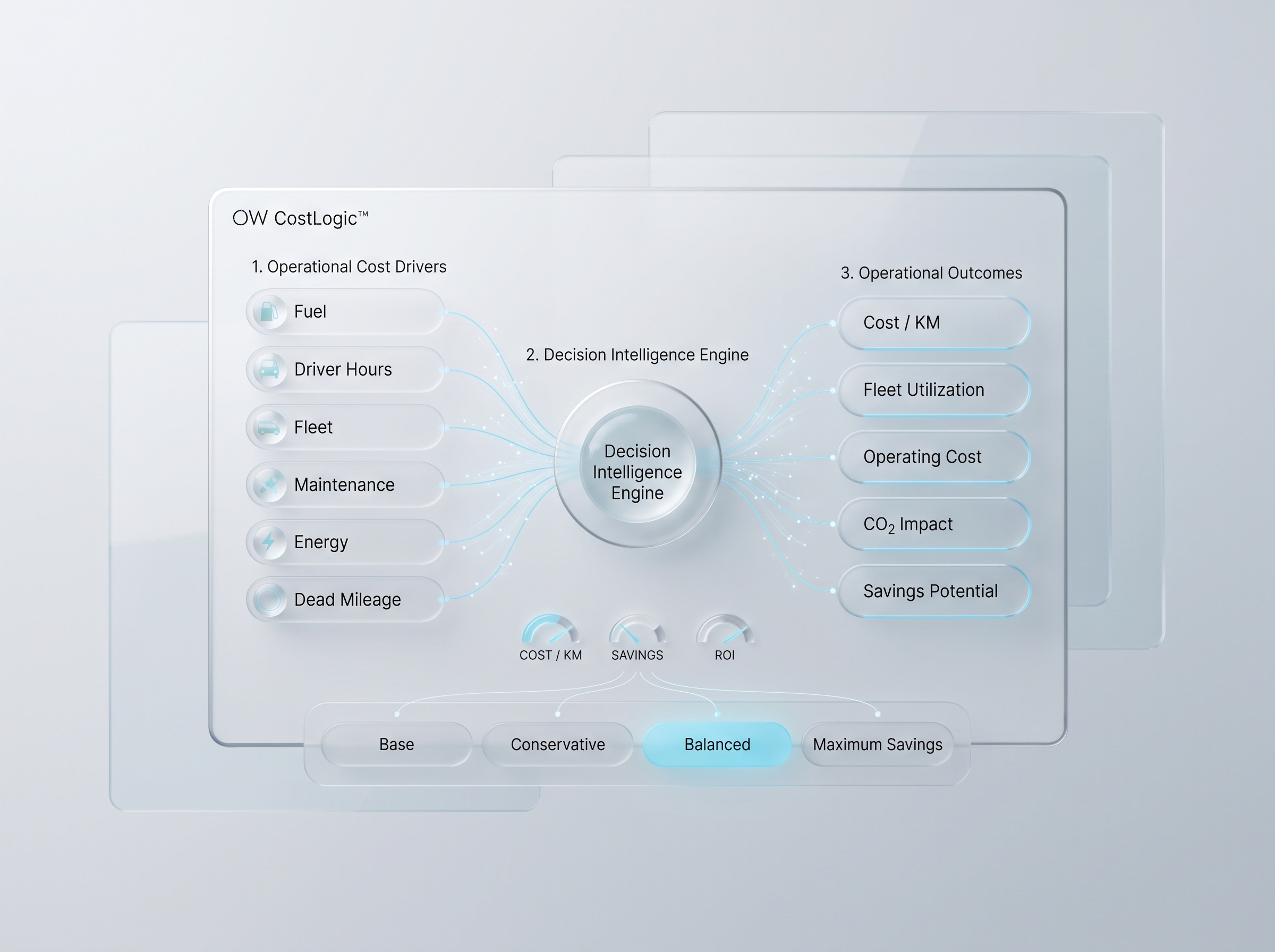
- Manage Costs with Optimization: Balance the budget impact of fare-free service with OW’s dead mileage reduction solutions. Efficiency gains can directly fund the program.
Conclusion: Where Does the Road Lead? 🛣️

The answer to Wing Chung Li’s question—Is money everything?—is clear: No. Money is not everything. But a well-managed, data-driven transportation system is.
The real revolution in Türkiye’s metropolitan cities will not come when public transport is made free, but when it is made fast, comfortable, and accessible—using public transport optimization to improve travel time, PCI outcomes, and multimodal fairness.
At Optimize World, we provide the technological infrastructure for that revolution. Let’s optimize your city’s transportation future—together.
Related Modules
Used in this piece
Related Posts
Continue with adjacent topics—from mixed-integer programming (MIP) and combinatorial optimization to multi-objective scenario modeling in public transit.
Why Is It So Difficult to Keep Everyone Happy in Public Transport?
Passenger demand and limited operational resources share the same network. The real challenge is not more buses — it is aligning supply with how people actually travel.
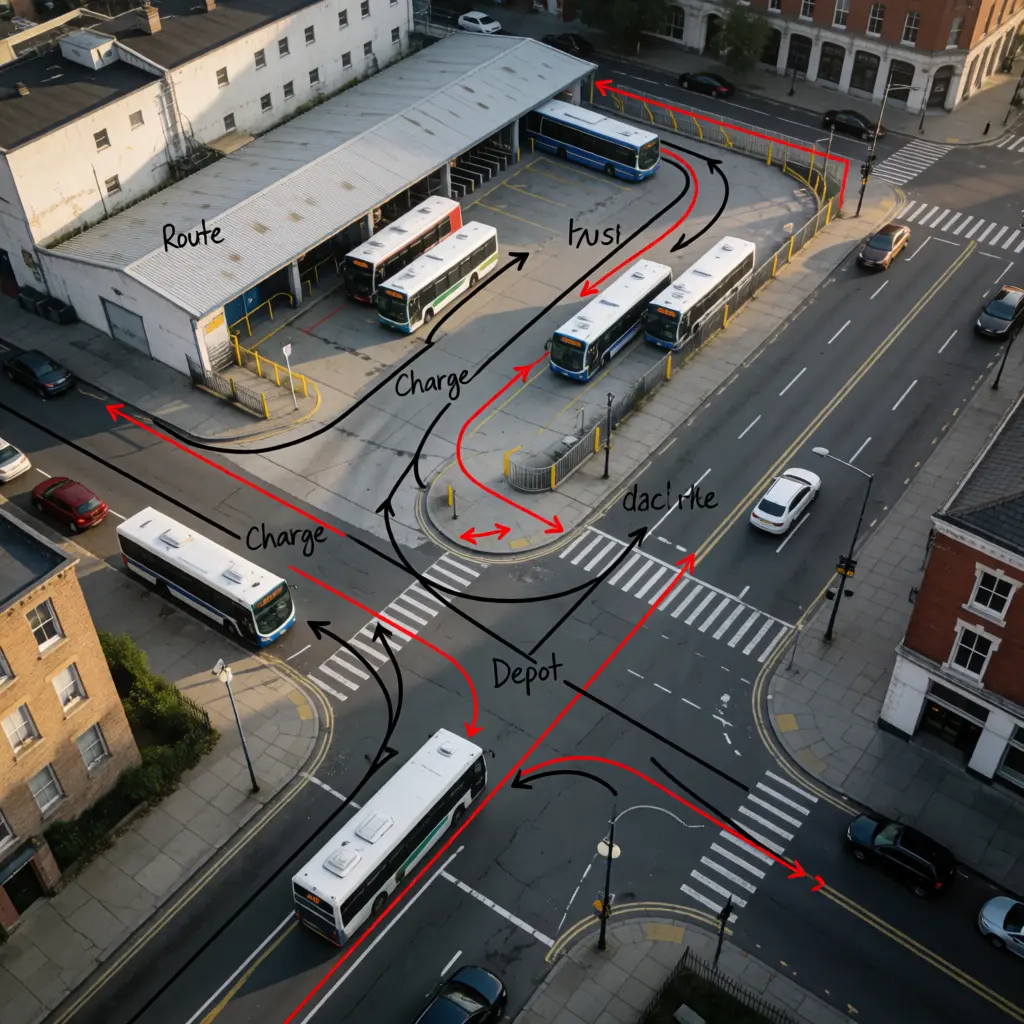
Buying Electric Buses Is Easy. Operating Them Optimally Is the Hard Part.
Electrification does not end at procurement. Vehicle assignment, charging schedules and energy constraints must be optimized together — or costs rise quietly every day.