Public Transit Use Cases | Network & Budget Optimization
How do agencies align public transport performance, dead mileage, and service reliability with budgets and equity goals?
Where systems need to be understood, optimized, and continuously improved.
OW supports organizations in turning operational questions into structured, explainable, and improvable solutions.
How OW Suite Transforms Transit Operations
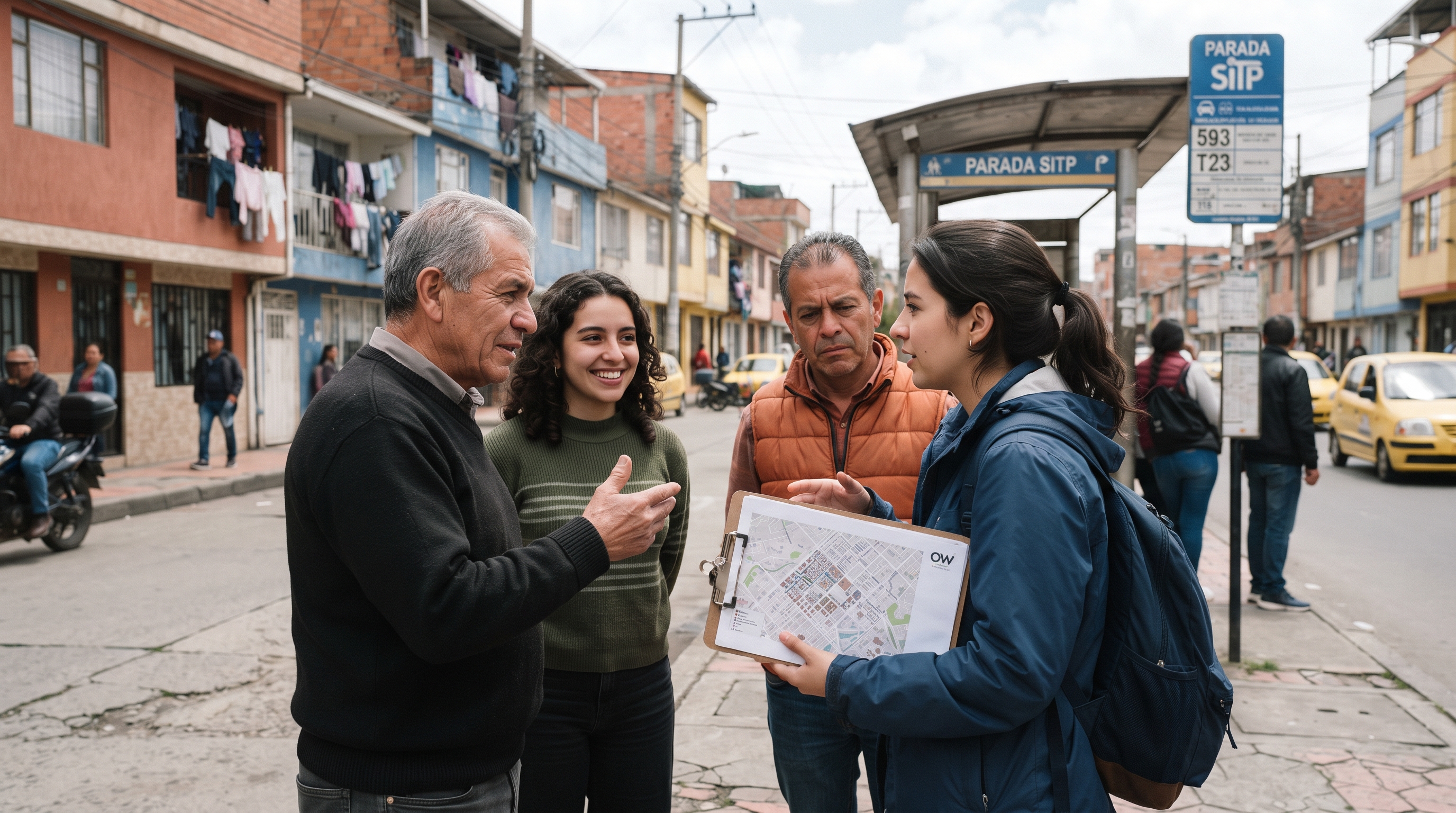
Public transit agencies worldwide must improve reliability and rider experience while operating under strict fiscal and environmental constraints. Effective public transit optimization goes beyond static timetables: it requires decision intelligence that unifies data from operations, planning, and finance. OW Suite addresses this need by modeling how service changes affect network efficiency, costs, and communities together. Agencies use it to move from reactive firefighting to proactive planning—grounded in evidence about performance, budget alignment, and outcomes riders actually experience.
Network Performance Optimization
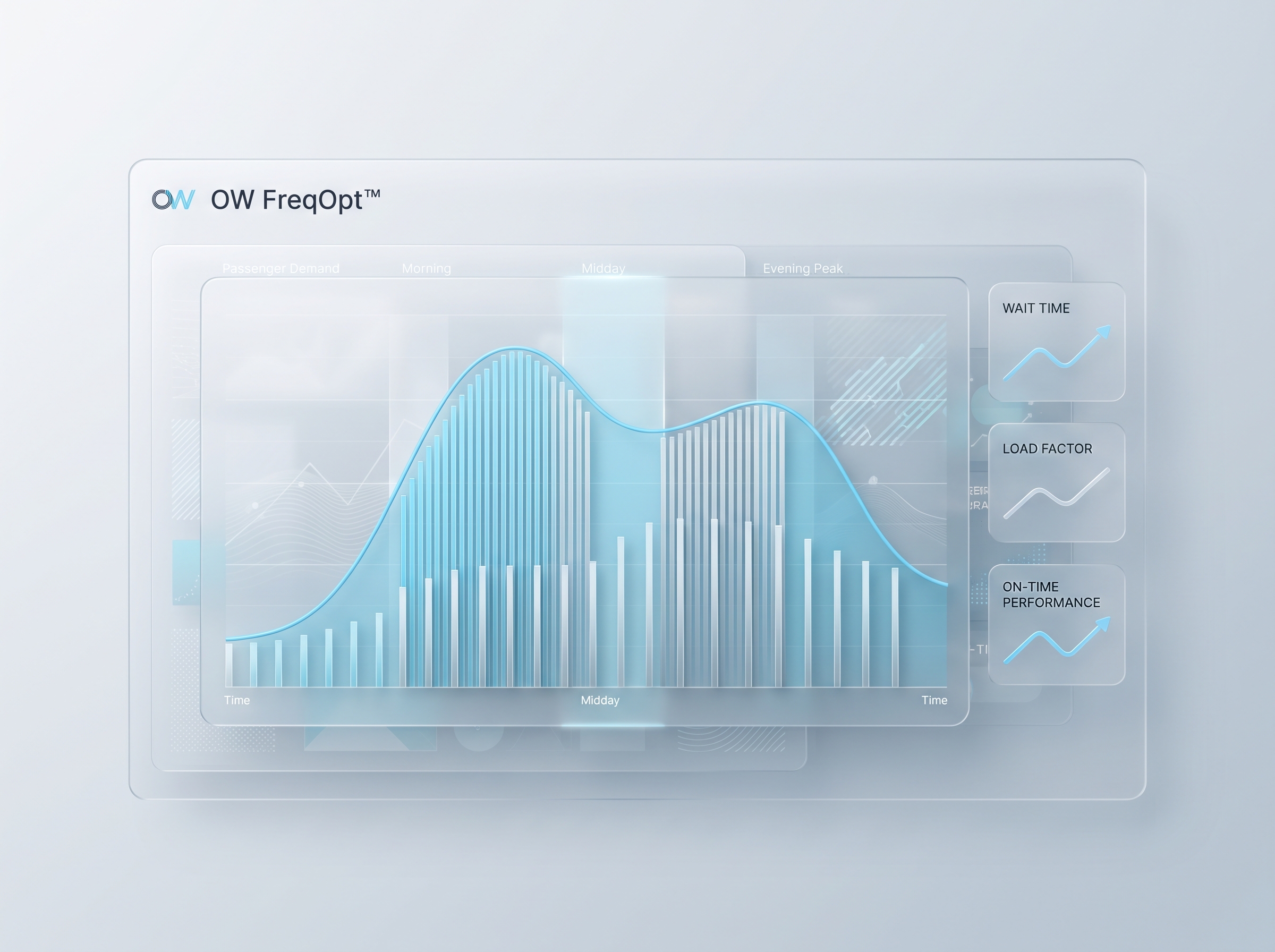
Network performance optimization begins with seeing the system as a whole. When routes, depots, and peaks are optimized in isolation, hidden inefficiencies accumulate—extra dead mileage, unstable headways, and crowding that spreadsheets underestimate. OW Suite applies optimization and analytics across the network so planners can target interventions that improve punctuality and capacity where demand is concentrated, while preserving stability across the day. The goal is sustainable network efficiency: better service per vehicle-hour, not simply more vehicles on the street.

Budget & Cost Dynamics
Budget and cost dynamics are inseparable from operational design. Which costs are fixed by infrastructure and which flex with scheduling choices? OW Suite helps teams connect GTFS-based service plans to operating expenditure drivers, so budget alignment becomes a shared language between finance and operations. Scenario comparison clarifies where savings are durable and where they depend on maintaining specific frequencies or labor rules—reducing the risk of “paper” savings that disappear in daily execution.
Environmental Sustainability
Environmental sustainability is increasingly part of transit mandates. Empty kilometers, poor load factors, and stop-and-go patterns drive unnecessary emissions. OW Suite integrates environmental indicators with operational optimization so agencies can pursue CO₂ and fuel reductions alongside reliability targets. Decision intelligence reveals which levers—interlining, depot assignment, frequency tuning—deliver the strongest environmental return without undermining equity or service quality.
Equity & Accessibility
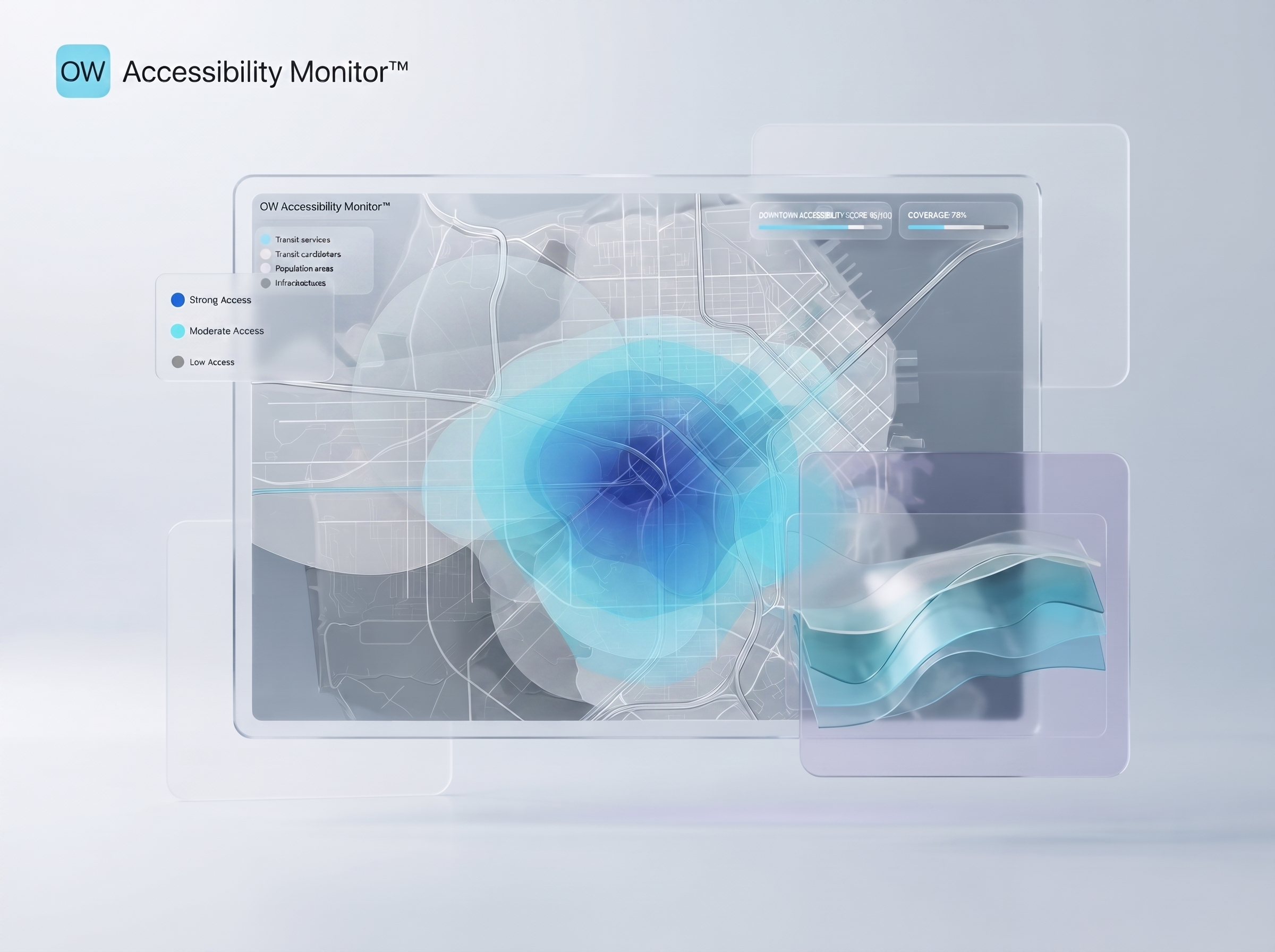
Equity and accessibility require that benefits and burdens of service changes are visible across neighborhoods and rider groups. Average metrics can mask gaps in coverage or reliability for vulnerable communities. OW Suite supports equity-focused analysis so planners can test how proposed changes affect access to jobs, education, and healthcare. Pairing equity goals with budget alignment and network efficiency helps agencies justify investments that expand fair access while staying within financial guardrails.
Citywide Operations & Governance
System Question
"How can limited resources be allocated across the city in a transparent, effective, and coordinated way?"
What OW Helps Uncover
- •Structural inefficiencies across departments
- •Hidden dependencies between operational units
- •Leverage points with the highest system-wide impact
How OW Supports
OW integrates fragmented operational data into a shared system model, enabling organizations to understand trade-offs and coordinate actions across governance layers.
OW integrates fragmented GTFS feeds, AVL trajectories, and smart card transaction streams into a single optimization-ready dataset. Mixed-integer programming (MIP) exposes cross-department resource allocation trade-offs, while linked scenarios show how headway stability, deadhead ratios, and crowding signals respond to policy shifts before they reach riders.
Public Transport Network Performance
System Question
"Why does the transport network underperform — even when planned supply is in place?"
What OW Helps Uncover
- •Demand–supply mismatches across time and space
- •Structural drivers of empty kilometers
- •System-level causes of delays and crowding
How OW Supports
OW replaces static schedules with adaptive, demand-aware optimization models that improve reliability, efficiency, and service quality.
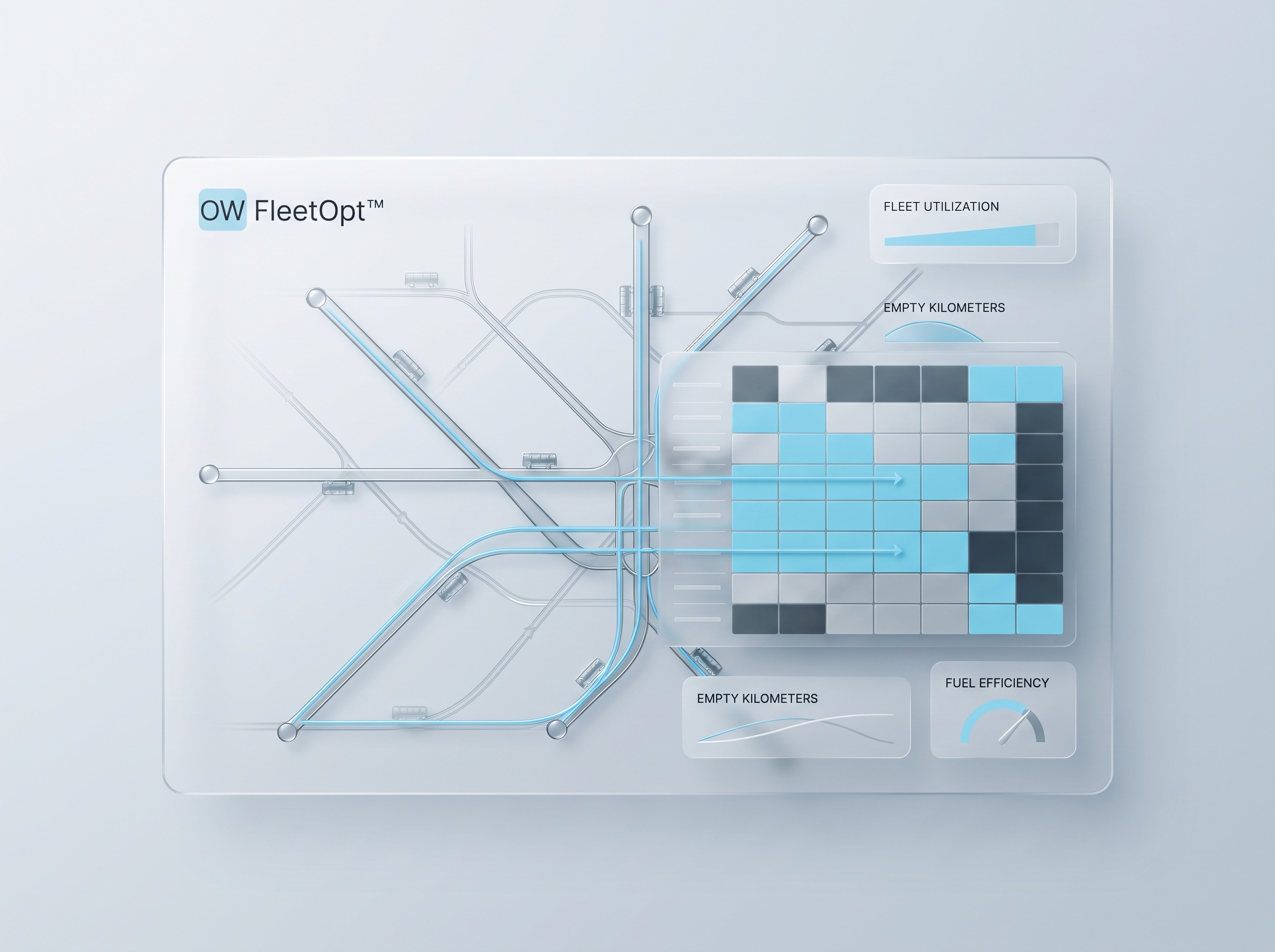
Network-level models ingest GTFS-RT, AVL traces, and historical load profiles to align scheduled headways with observed demand. Deadhead reduction and interlining opportunities are evaluated jointly so frequency changes do not silently increase empty kilometers, and delay propagation is treated as a system outcome—not a line-by-line afterthought.
Budget & Cost Dynamics
System Question
"Which costs are structural, and which are driven by operational choices?"
What OW Helps Uncover
- •Fixed and variable cost behavior
- •Cost sensitivity to planning and operational decisions
- •Where savings are real — and where they only appear so
How OW Supports
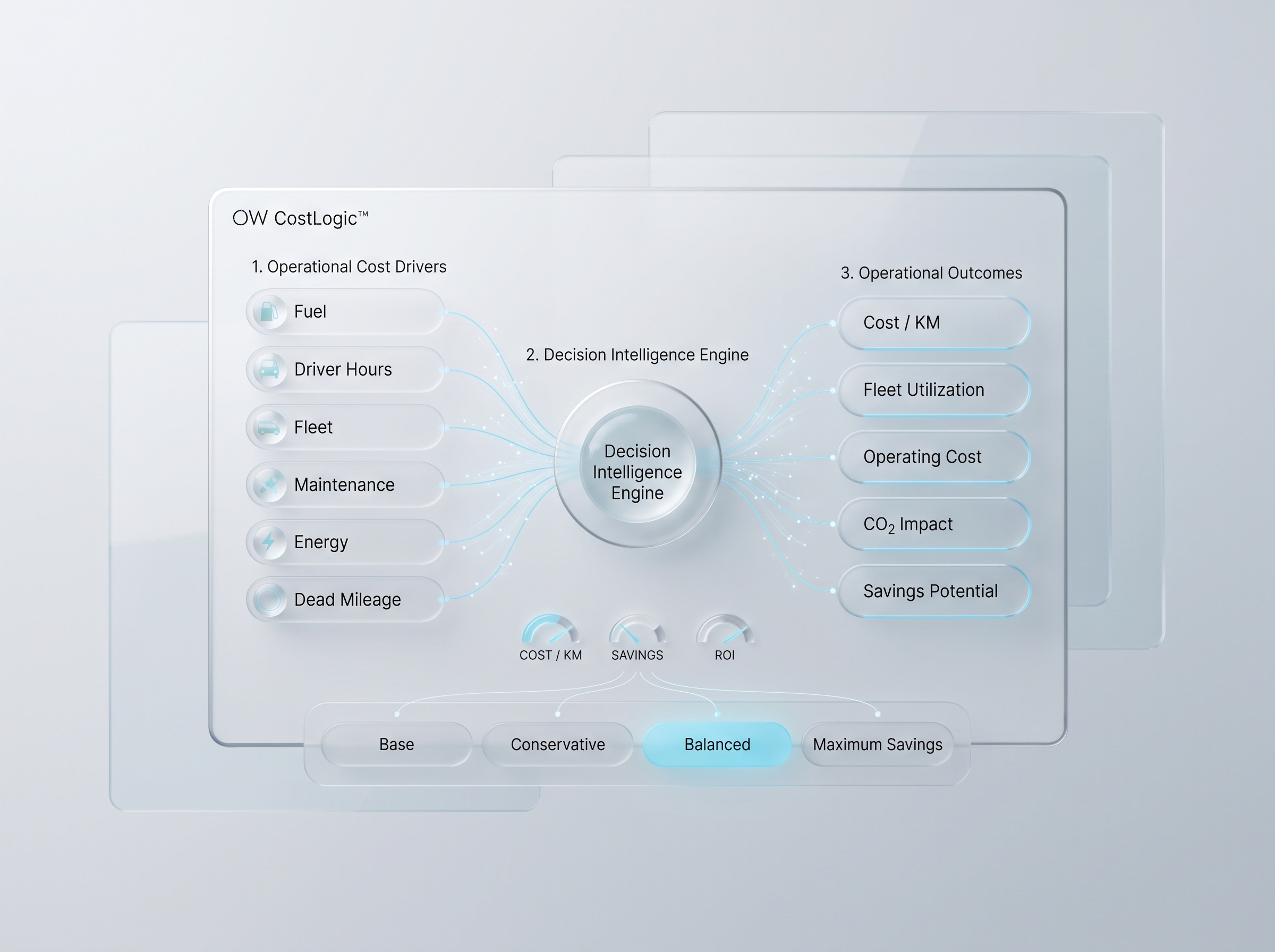
OW shifts budget discussions from totals to decision impact, helping organizations understand how choices translate into costs.
CostLogic-style decomposition separates fixed versus variable cost drivers tied to fleet cycles, crew rules, and energy use. Scenario runs connect GTFS-based service levels to OPEX sensitivity, helping finance teams see where savings are structural versus where they depend on maintaining specific headways or depot policies.
Environmental Performance & Sustainability
System Question
"How do operational choices influence environmental outcomes?"
What OW Helps Uncover
- •Emission drivers embedded in routing and fleet logic
- •Trade-offs between service quality and sustainability
- •Decision points with the highest environmental leverage
How OW Supports
OW aligns operational optimization with climate and sustainability objectives by making environmental impact a measurable system outcome.
Emission estimates are linked to observed vehicle movements—not averages alone—so empty kilometers, dwell, and speed profiles feed the same optimization loop as service quality. Sustainability levers (fewer deadhead kilometers, better load factors, smarter frequency) are scored alongside reliability so climate targets stay compatible with operational constraints.
City Planning & Equity
System Question
"How do planning and operational choices shape accessibility and equity across the city?"
What OW Helps Uncover
- •Spatial coverage gaps and accessibility imbalances
- •Equity impacts of network and service design
- •Service disparities hidden within average indicators
How OW Supports
OW integrates accessibility and equity metrics into system models, enabling planners to evaluate and improve inclusiveness alongside performance.
Accessibility analysis combines stop-level GTFS geometry with demand and travel-time surfaces so coverage gaps are visible beyond aggregate mode share. Equity-sensitive metrics can be tracked alongside headway adherence, helping planners prioritize interventions where service quality and inclusion diverge across neighborhoods.
Business Intelligence & Analytics
System Question
"How can operational data become a reliable foundation for system improvement?"
What OW Helps Uncover
- •Fragmented data across departments and tools
- •Inconsistent metrics and delayed reporting
- •Decisions driven by intuition rather than evidence
How OW Supports
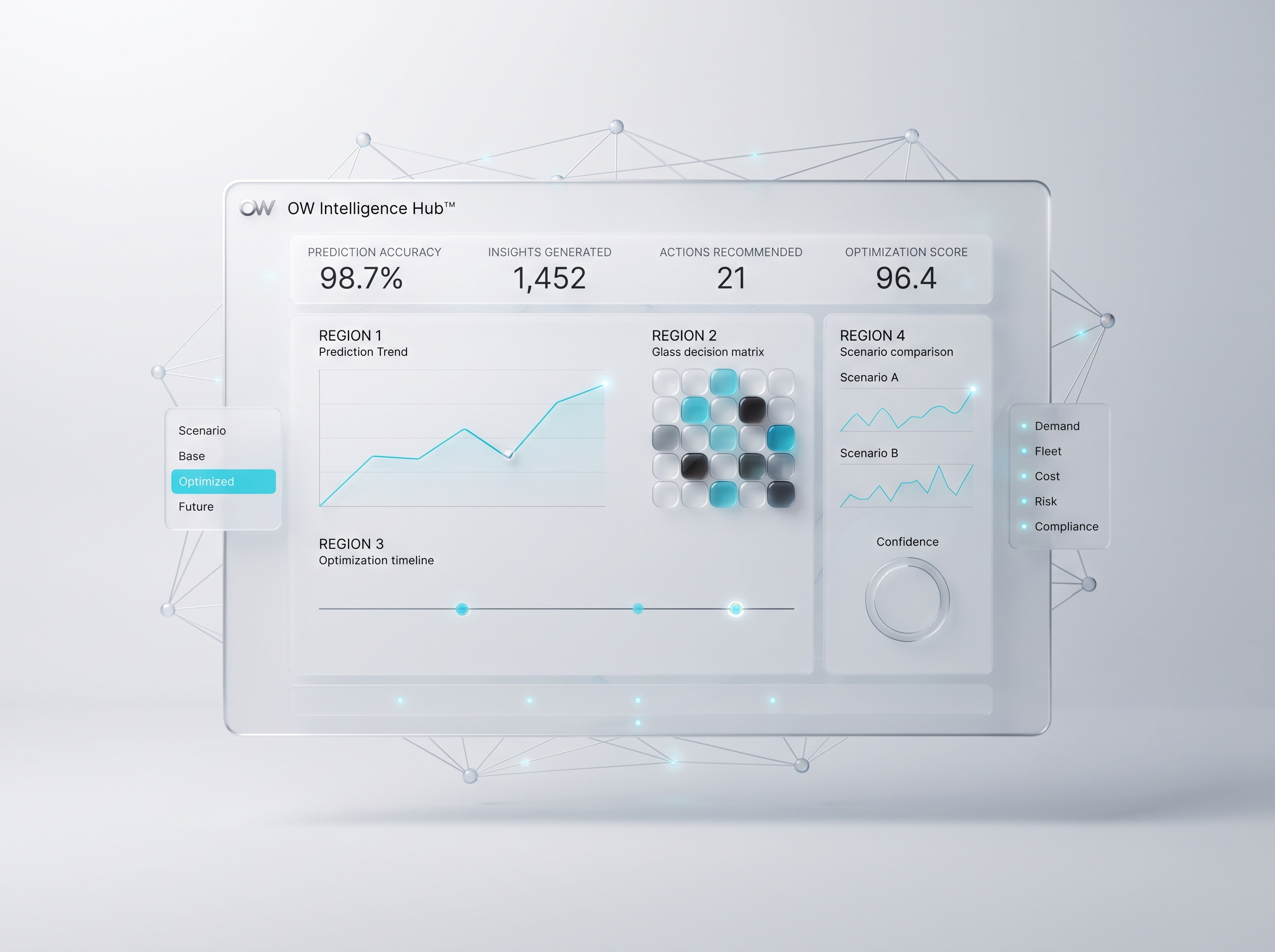
OW transforms raw data into integrated system models, analytics, and scenario-based insights that support confident, explainable action.
A unified semantic layer aligns GTFS, AVL, and ticketing feeds so dashboards reference consistent entities (routes, trips, blocks). Drill-downs support deadhead, on-time performance, and crowding KPIs in one graph-aware model, reducing reconciliation work between departments and making scenario comparisons audit-ready.
OW approaches systems not as isolated problems, but as interconnected domains that can be understood, optimized, and improved over time.