8 min read
Why Is It So Difficult to Keep Everyone Happy in Public Transport?

Written by Dr. Ümit Kuvvetli
Founder & Chief Optimization Scientist
Balancing passenger expectations with operational realities
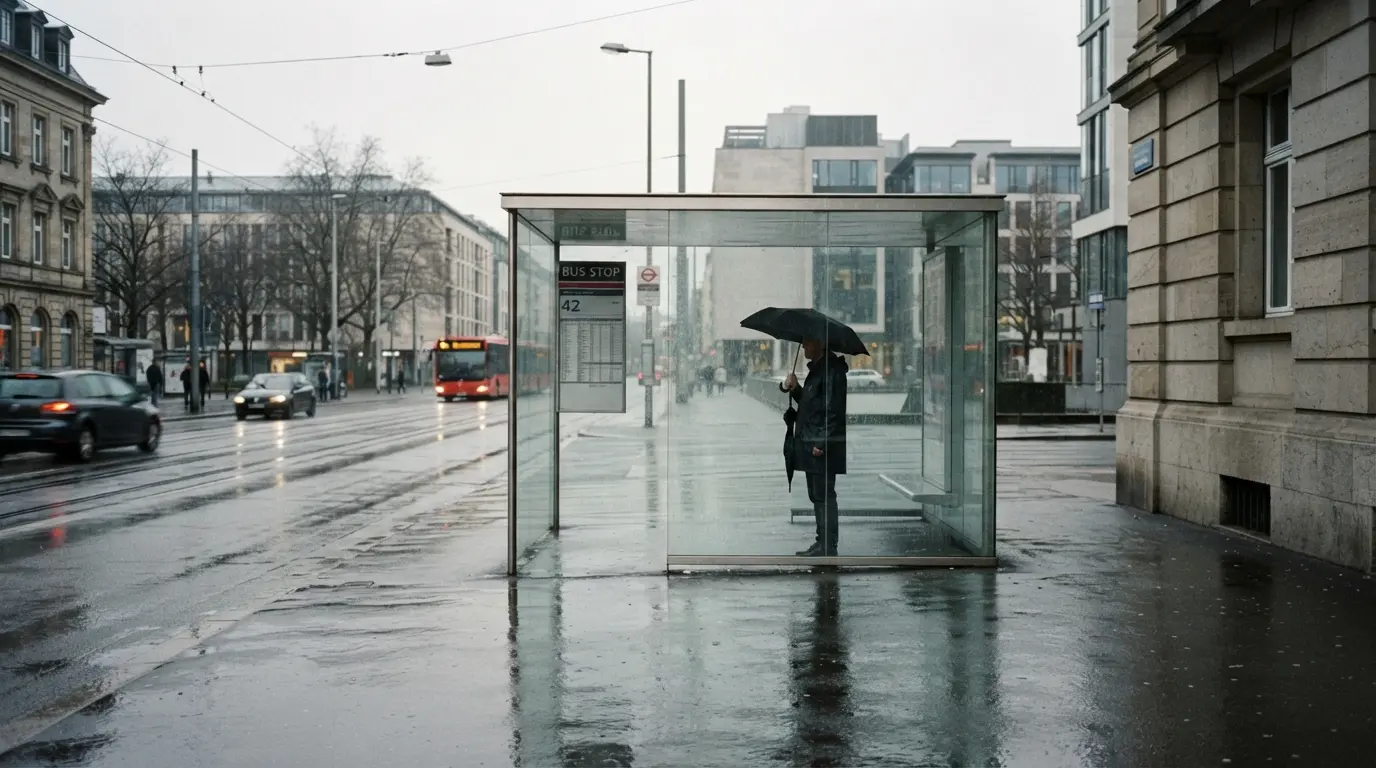
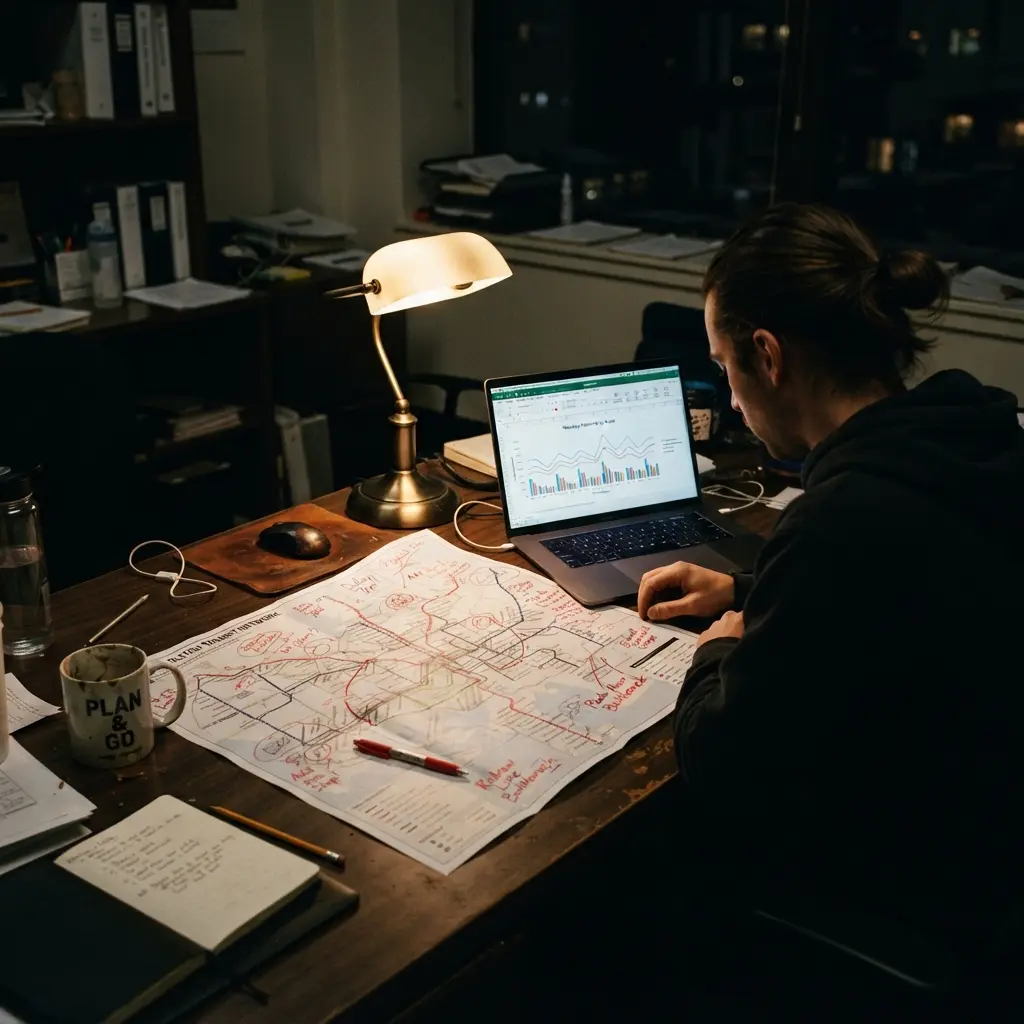
Public transport optimization is not simply about running more buses or increasing service frequency. The real challenge is finding the right balance between passenger demand and limited operational resources across the same network.
Passengers want shorter waiting times, more frequent services, more comfortable vehicles, better information and affordable fares.
These expectations are entirely understandable. Digital services, real-time information and personalized experiences have changed what people consider a normal level of service in everyday life. We wrote earlier about what people actually expect from public transport — reliability still outranks almost everything else.
But the operators working to meet these expectations face a different reality: limited budgets, aging fleets, driver shortages, maintenance requirements and rising energy costs.
As a result, public transport planning requires difficult decisions every day.
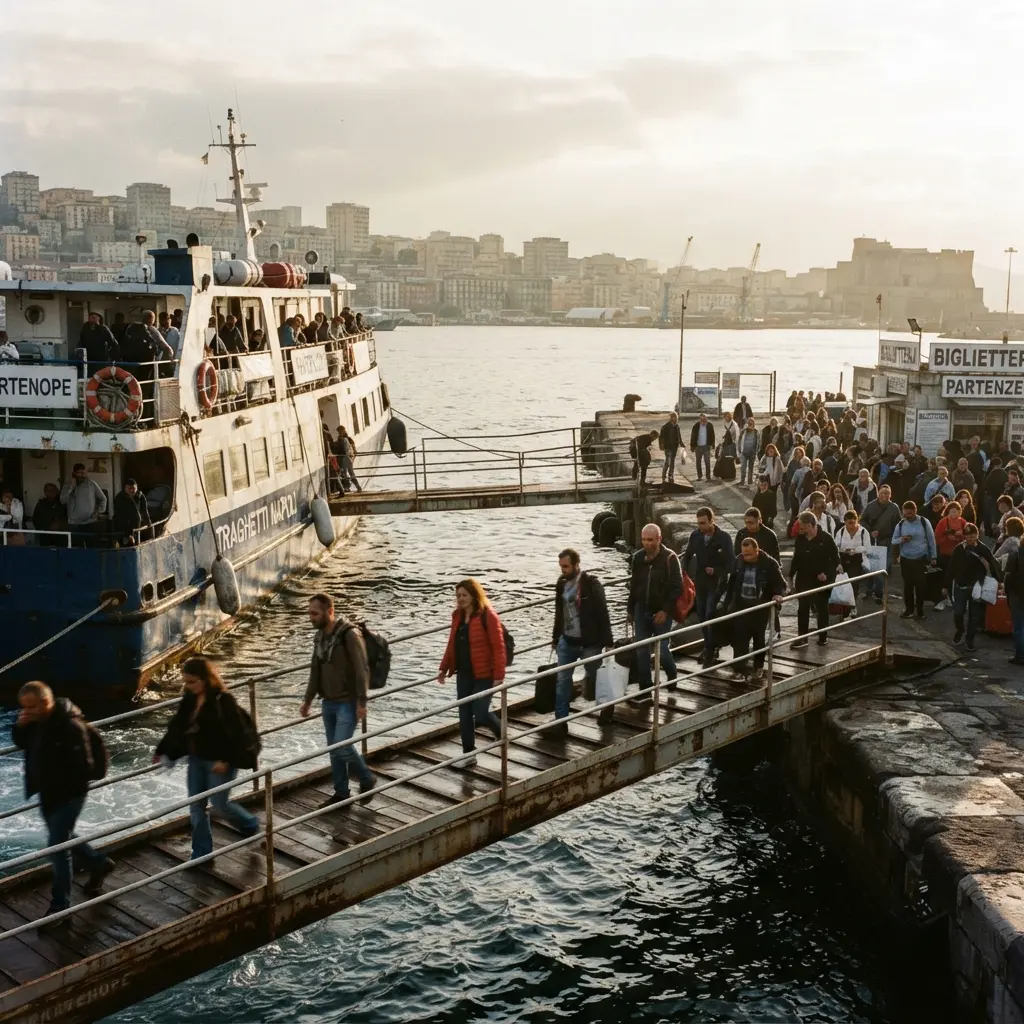
What do passengers see, and what do operators manage?
For passengers, a good public transport experience is relatively straightforward.
The bus should arrive on time. Waiting times should be short. Vehicles should not be overcrowded. Payment and passenger information systems should work smoothly.
However, passengers usually experience only their own journey. They may notice that increasing frequency on a route reduces waiting times, but they may not see what that decision means for other routes across the network.
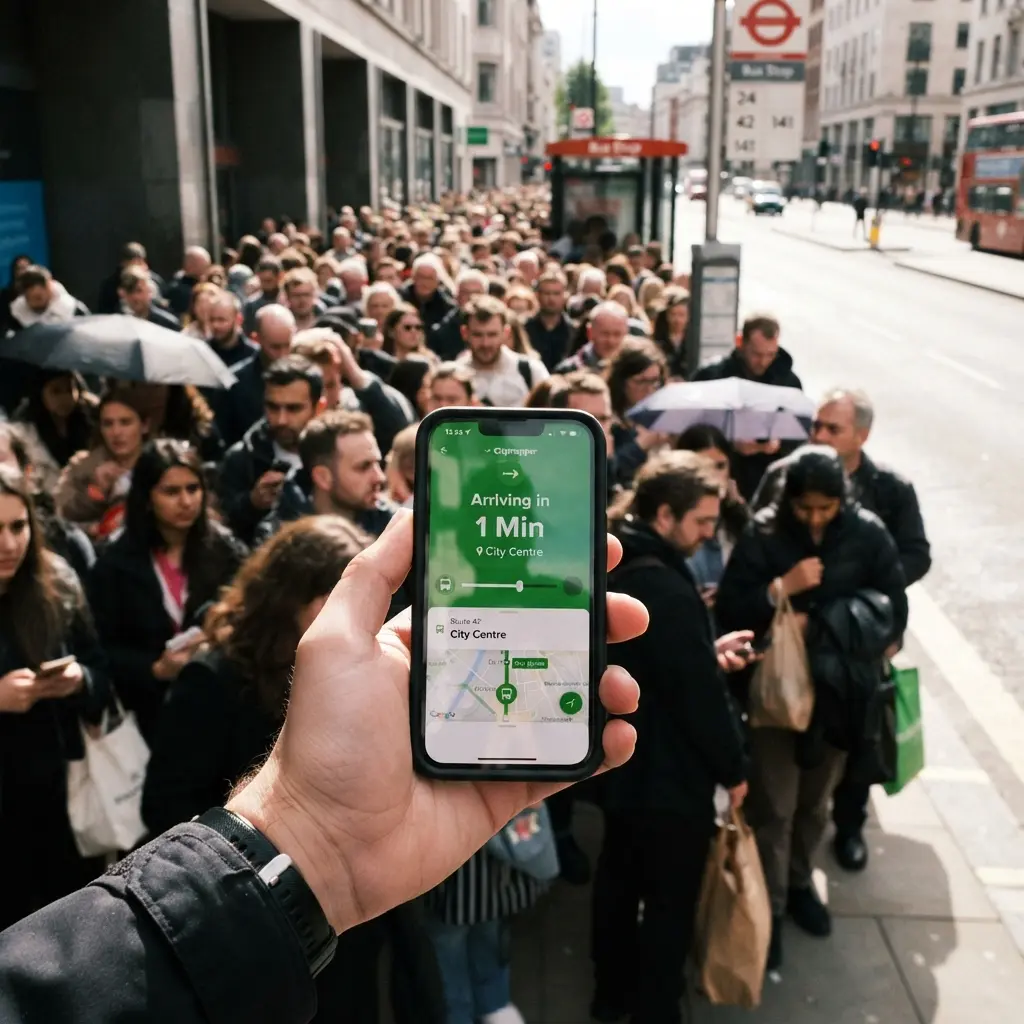
Operators have a much broader perspective.
Adding a vehicle to one route may mean that it is no longer available somewhere else. Increasing service frequency can raise operating costs. Extending evening services can make driver rosters and vehicle scheduling more difficult.
Operators must also consider questions such as:
- Which routes need more capacity, and at what times?
- Where is existing capacity being underused?
- How would moving a vehicle from one route to another affect service quality?
- Are driver rosters and vehicle schedules properly aligned?
Passengers see the journey. Operators have to manage the entire network.
If both sides are right, where is the problem?
Passengers are right to expect better service. Operators, however, do not have unlimited budgets.
The issue is not that passengers are asking for too much or that operators are not doing enough.
The real challenge is how accurately demand and supply can be aligned.
Traditional approaches often come down to two options: purchase more vehicles or reduce services to control costs. That is the same false choice we discussed in coverage versus ridership: the network is treated as if it had only one lever.
In some situations, these choices are necessary. But not every problem can be solved by adding resources or reducing service.
Sometimes, the problem lies in how existing resources are planned and allocated.
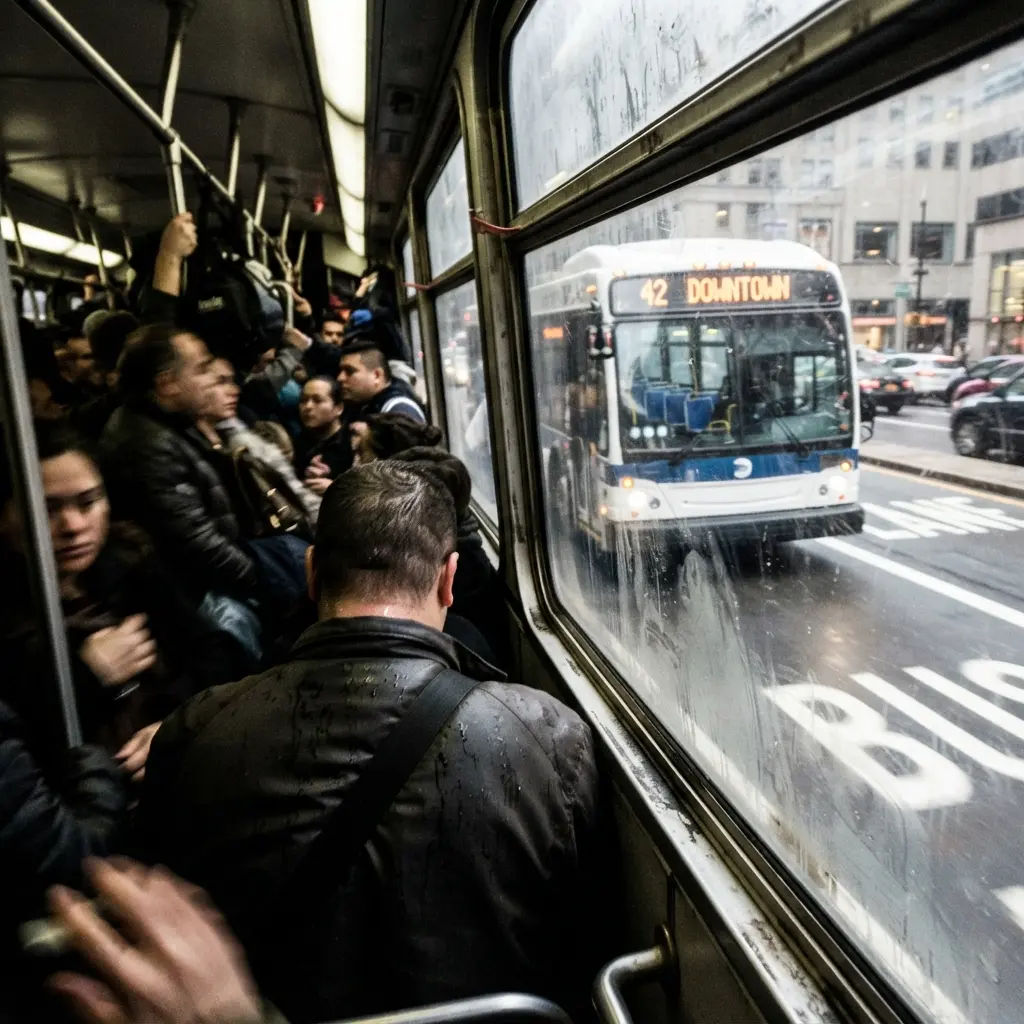
Why does public transport optimization matter?
Public transport networks generate large amounts of data.
Passenger demand, vehicle locations, journey times, stop-level activity, vehicle capacity, driver rosters and operating costs all provide valuable insight into how a network performs.
But having the data is not enough. It needs to be connected to operational decisions.
For example:
- When and where is there a genuine capacity shortage?
- Which routes are not using their available vehicles efficiently?
- How would a planning change affect the rest of the network?
These questions are difficult to answer by looking at a single route or performance indicator in isolation. A crowded corridor can hide passengers who never boarded on a thinner route nearby.
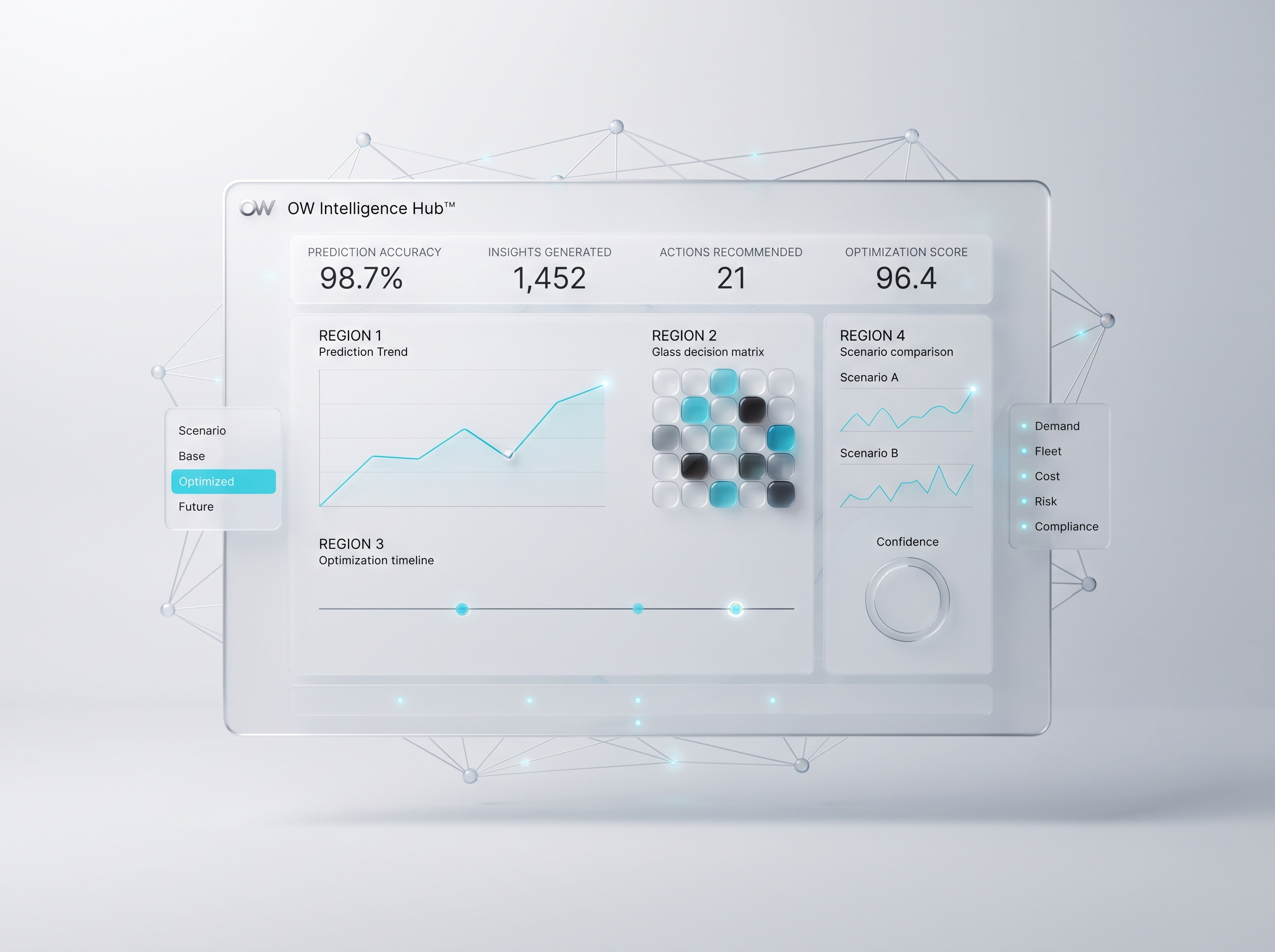
An optimization approach makes it possible to evaluate different variables together, including demand, fleet capacity, service frequency, driver availability and operating costs.
This shifts the conversation from:
“Do we need more vehicles?”
to:
“Can we allocate the vehicles we already have more effectively?”
OW helps create a better balance
This is exactly where we focus our work at OW.
OW helps public transport operators better understand the relationship between demand, capacity and operations.
The goal is not to run more vehicles on every route or to reduce service arbitrarily. It is to use existing data to answer more precise questions:
Where is capacity really needed? Where are resources sitting idle? How closely does the service model reflect the way people actually travel?
Evaluating these questions together can support more balanced decisions in areas such as frequency planning, fleet allocation and operational resource management.
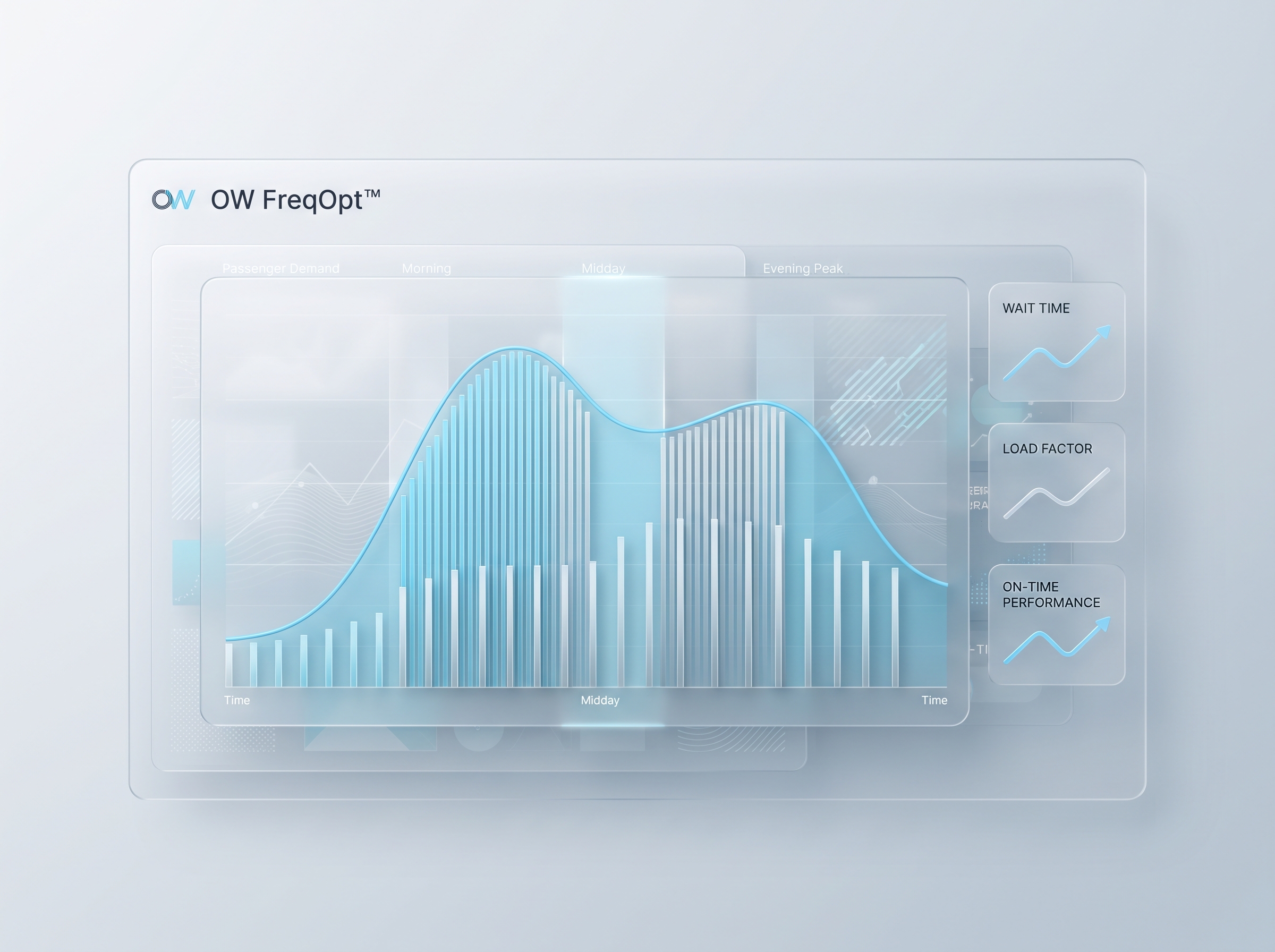
FreqOpt™ tests how frequency changes land on waiting time, load and cost — before they are published.
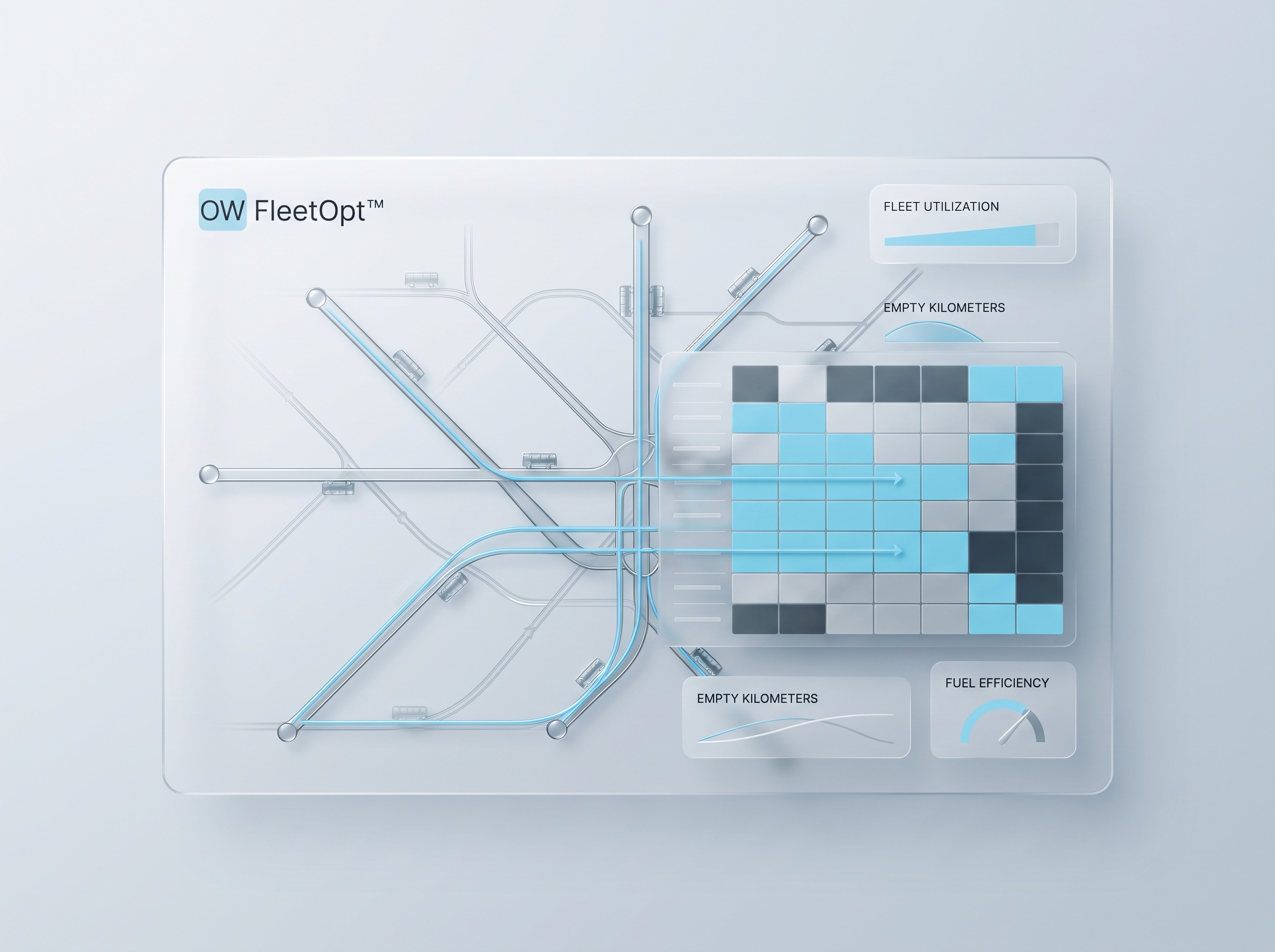
FleetOpt™ shows what happens when a vehicle is moved from one block to another, including the empty kilometres that passengers never see.
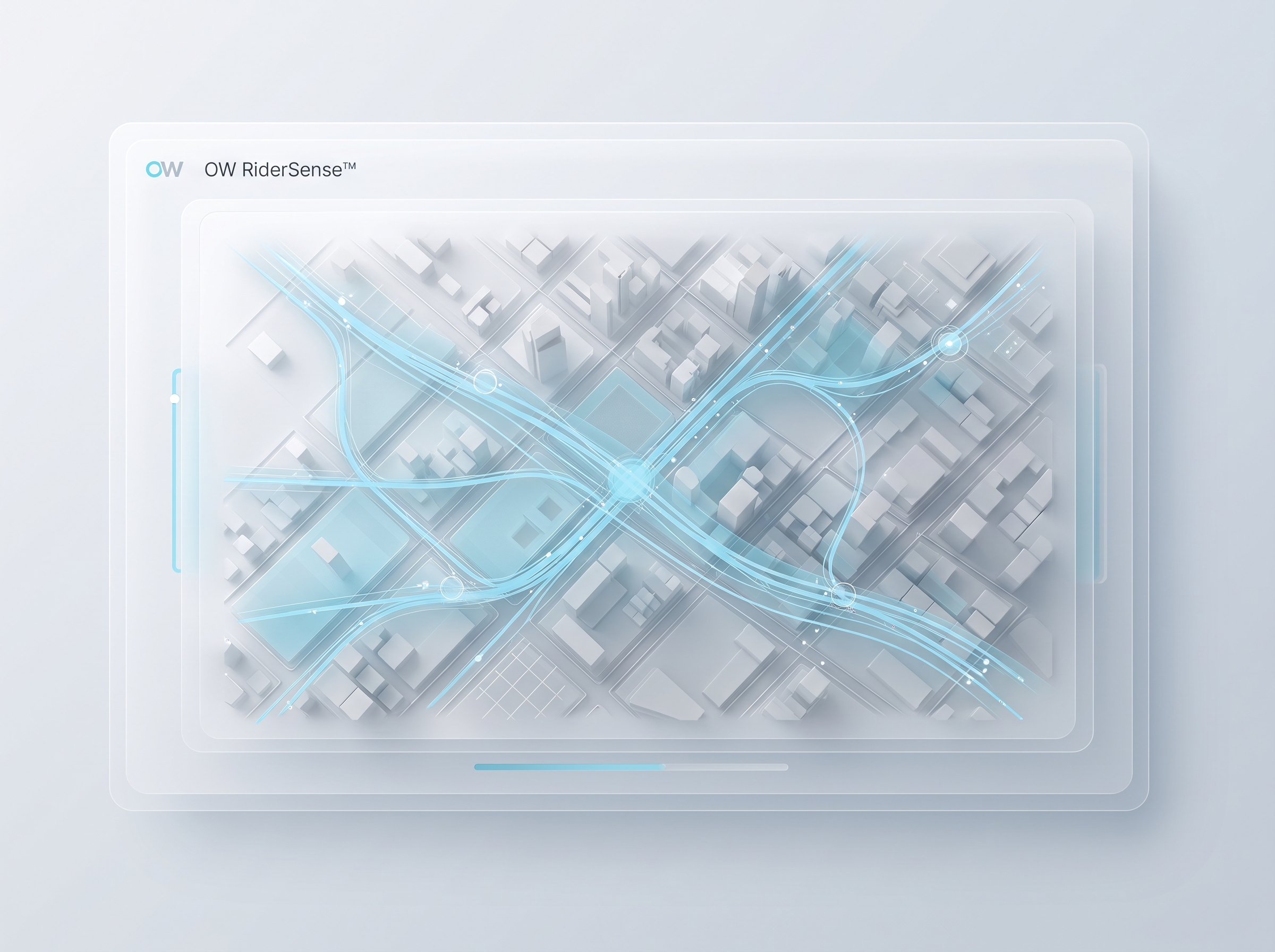
RiderSense™ brings crowding and demand patterns into the same decision frame as the timetable.
Better public transport does not always mean more resources
Improving public transport service is often associated with more vehicles, higher frequencies or larger infrastructure investments.
In some cases, these investments are necessary.
But the same solution does not apply to every network. Sometimes, the underlying problem is not a lack of resources, but a mismatch between available resources and actual demand.
Before purchasing more vehicles, it may be necessary to understand how effectively the existing fleet is being used.
Before increasing frequency, it may be necessary to identify when and where a genuine capacity shortage occurs.
Before introducing a new service model, it may be necessary to understand where flexibility already exists within the current operation.
Passengers focus on the quality of their journey. Operators are responsible for keeping the entire network running.
Bringing these two perspectives closer together requires demand, capacity and operations to be evaluated within the same decision framework.

Because sometimes, the answer is not more resources.
It is better planning of the resources already available.
Discover how OW Suite helps bring this balance into practice →
Need a scenario on your own network? Start a conversation with OW — frequency, fleet and demand can be tested together before the next timetable change.
Related Modules
Used in this piece
Related Posts
Continue with adjacent topics—from mixed-integer programming (MIP) and combinatorial optimization to multi-objective scenario modeling in public transit.
Buying Electric Buses Is Easy. Operating Them Optimally Is the Hard Part.
Electrification does not end at procurement. Vehicle assignment, charging schedules and energy constraints must be optimized together — or costs rise quietly every day.

Are Ants Better Than Urban Planners?
What collective intelligence can teach us about public transport — and why exploring the solution space matters more than picking a single algorithm.