How to Build a Public Transport Network in Strategy Games? Real-World Optimization
Stop traffic meltdown in Cities: Skylines–style games: headways, hub-and-spoke, dead mileage, and GTFS-grade thinking—bridging games and real transit optimization.
Deep-tech perspectives on urban optimization, operational science, and decision intelligence

Stop traffic meltdown in Cities: Skylines–style games: headways, hub-and-spoke, dead mileage, and GTFS-grade thinking—bridging games and real transit optimization.
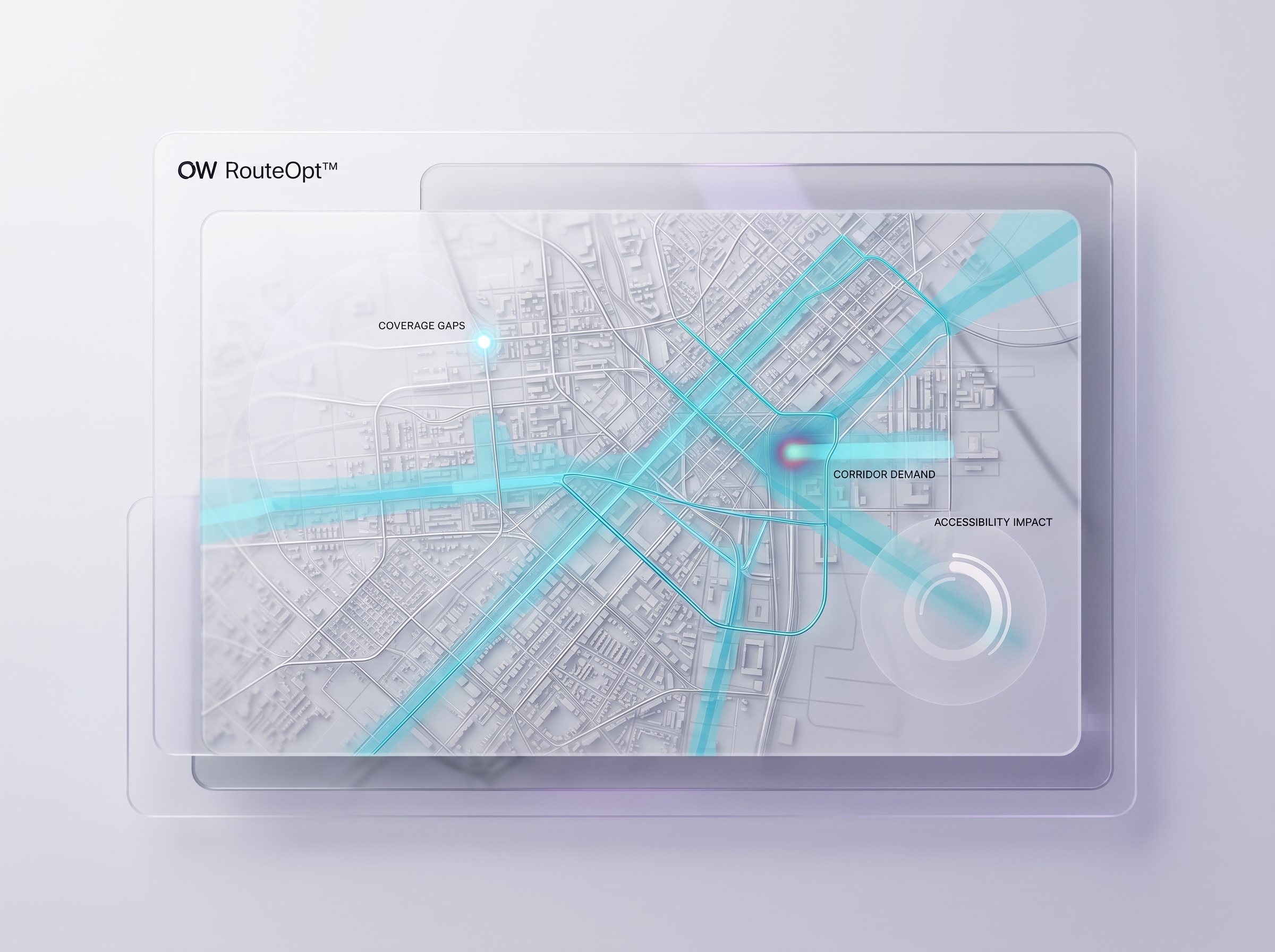
Does classic optimization reward dense cores while sidelining peripheral neighborhoods? OW Suite breaks the efficiency paradox with reinforcement learning and accessibility-based transit planning.
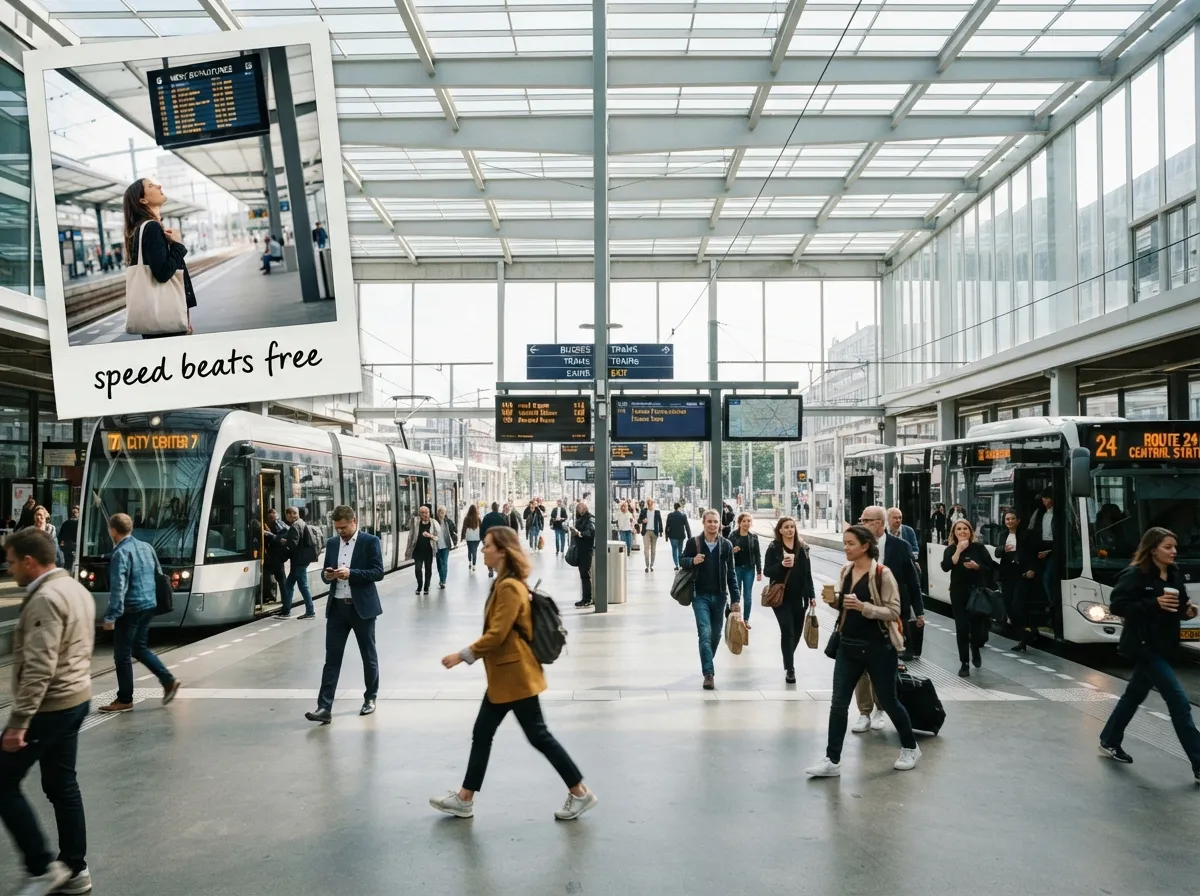
Fare-free transit sounds simple, but data shows mode choice is driven primarily by travel time and passenger signals like PCI—often triggering modal shift. Here is an OW data-driven roadmap for Türkiye’s cities.
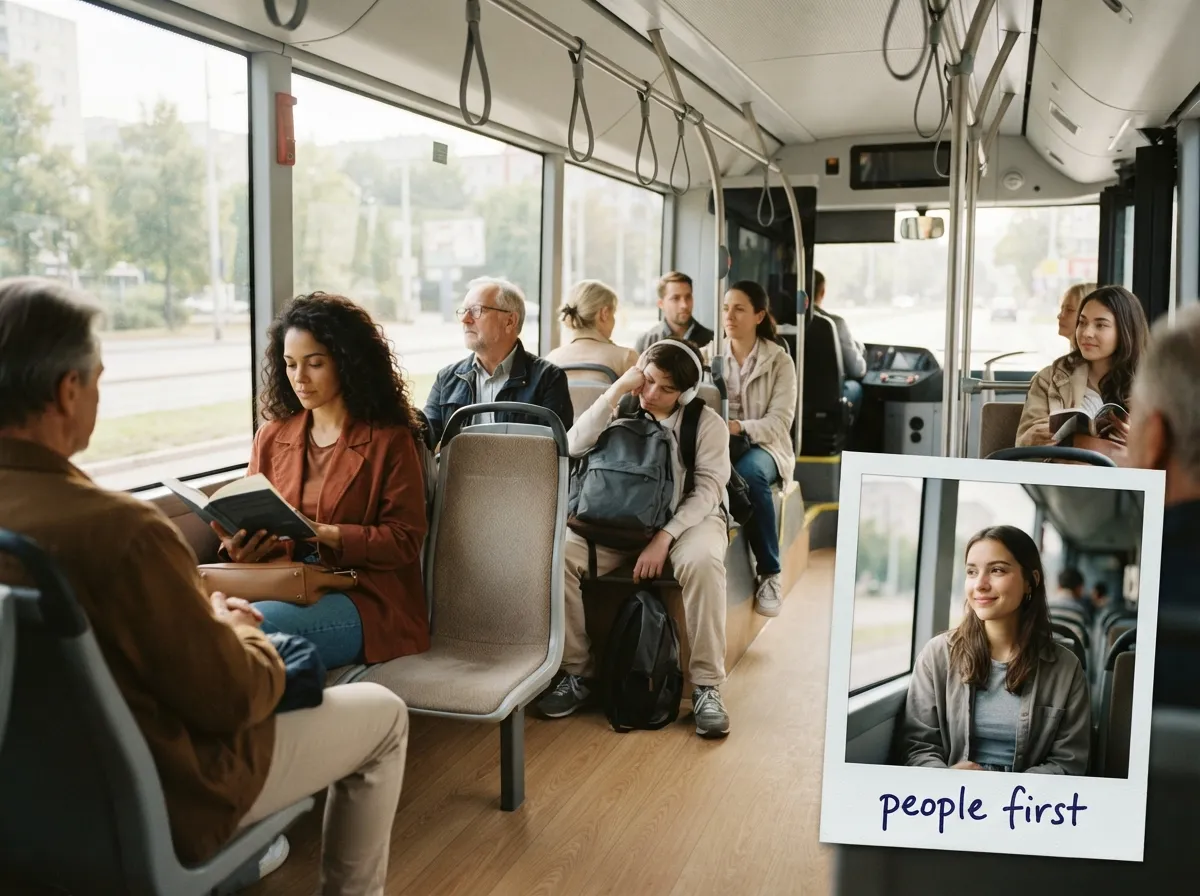
Public transport efficiency isn't measured by vehicle kilometers alone. From eye-tracking to reinforcement learning, biophilic design to slope penalties, integrating human behavior into optimization models is the future of transit.
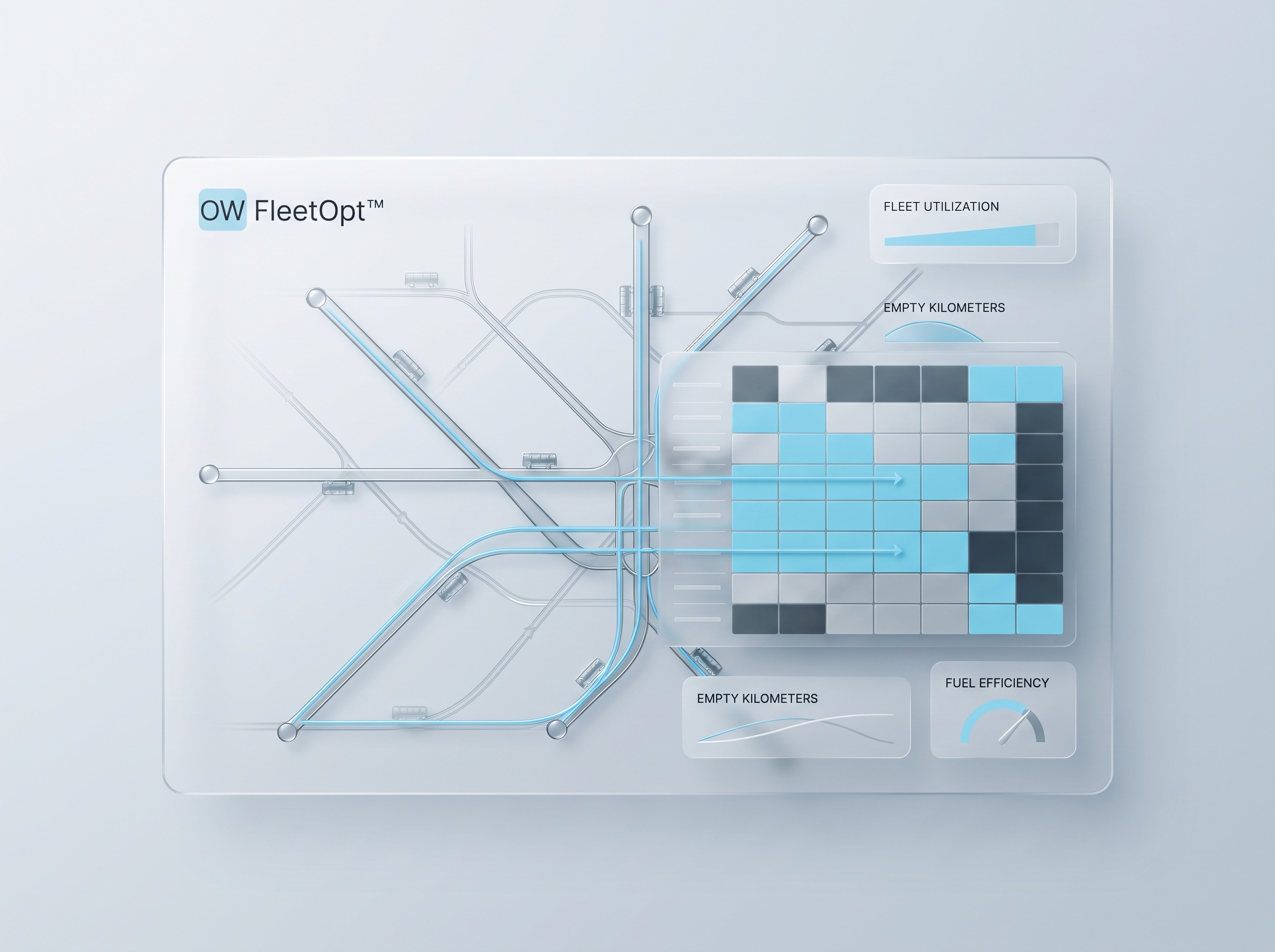
2053 net zero sounds far away, but it is just one generation ahead. Optimize your fleet to cut fuel costs and emissions—without buying new vehicles.
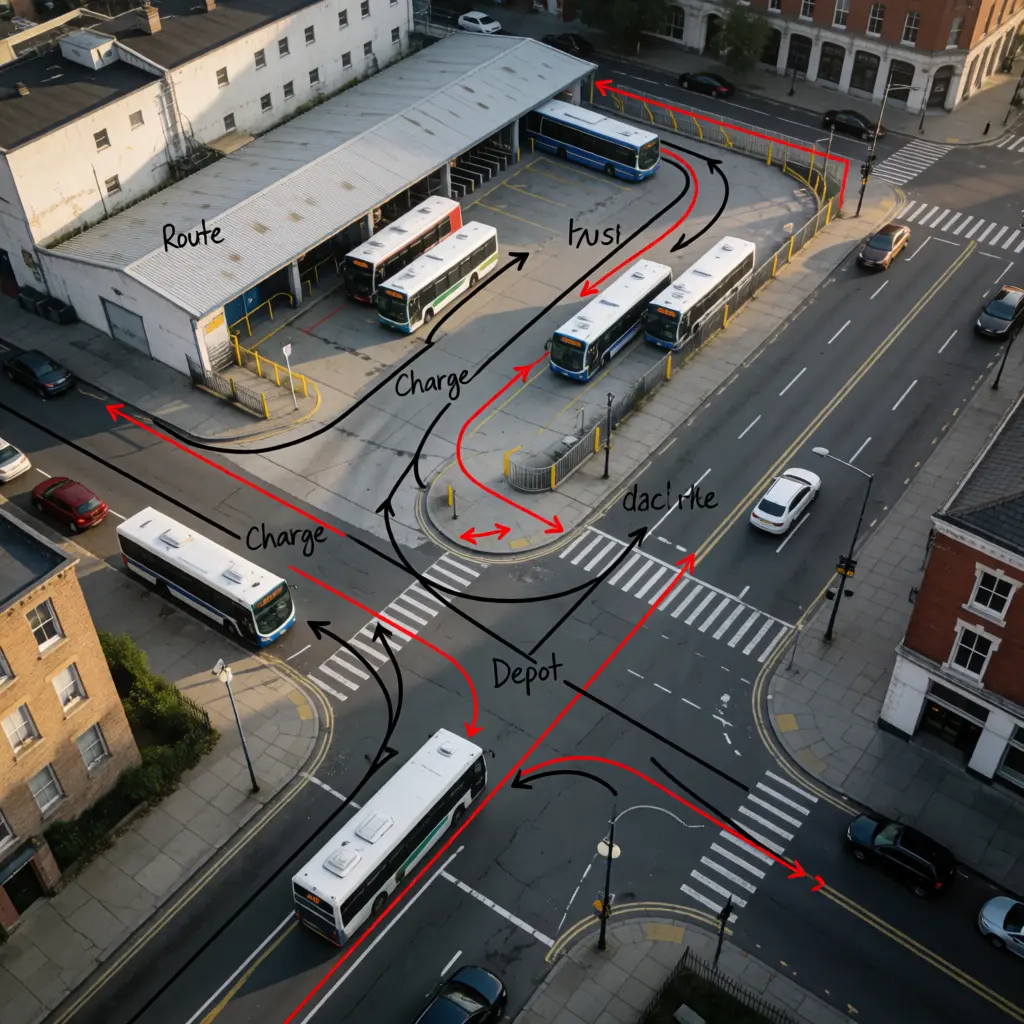
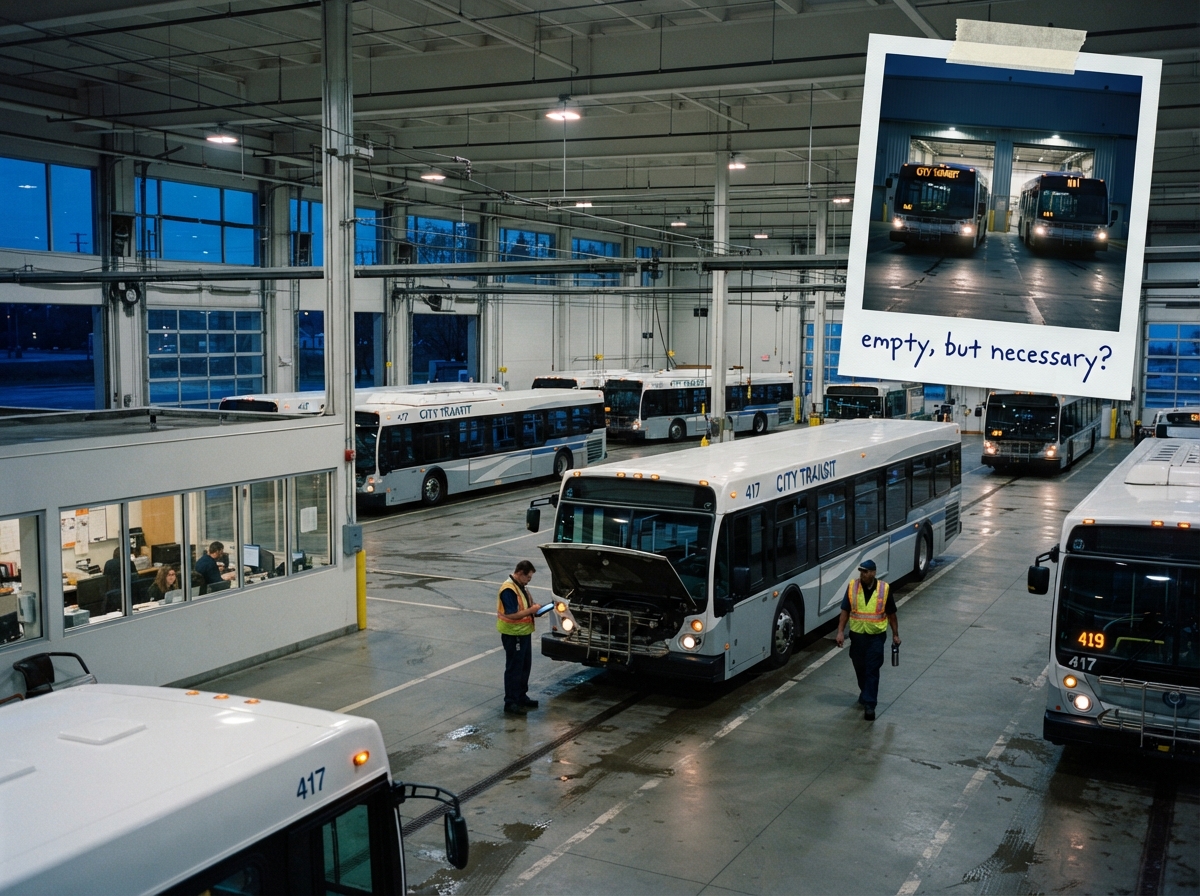
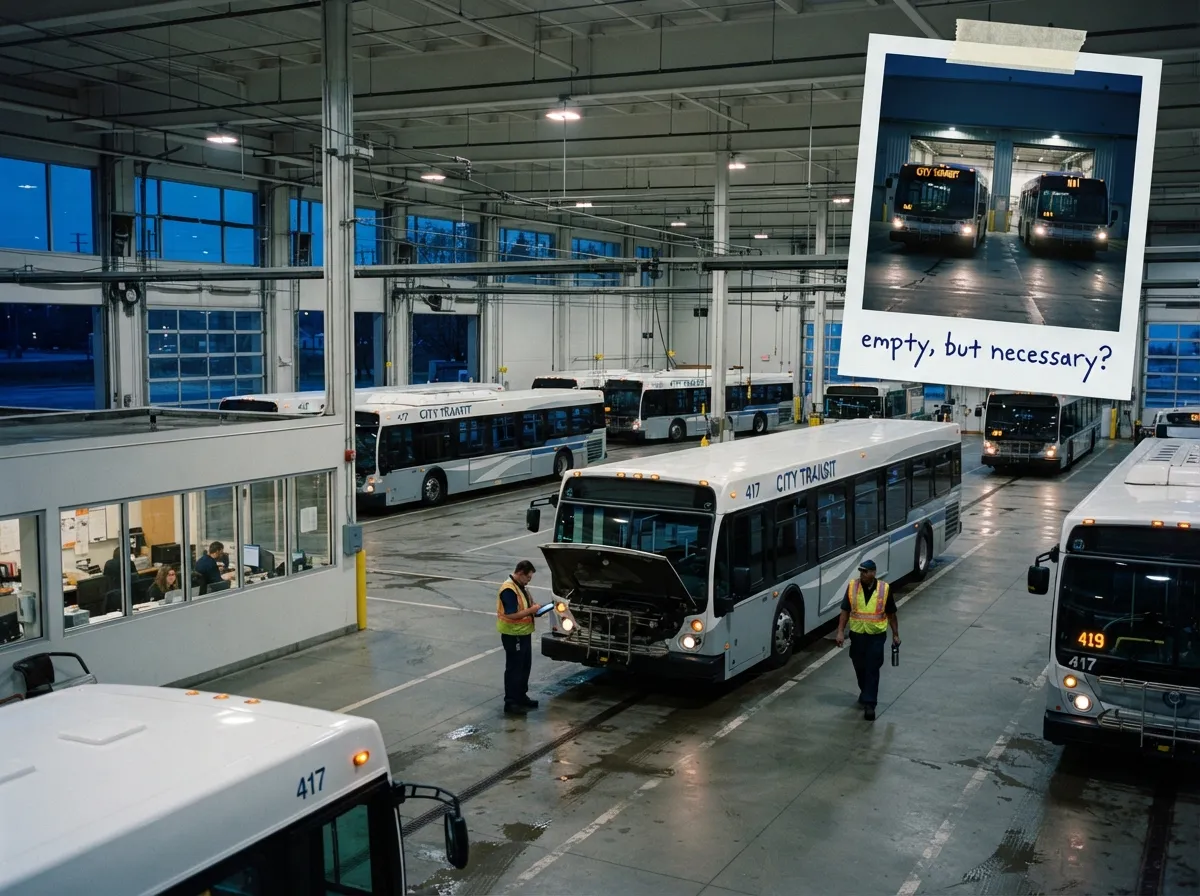
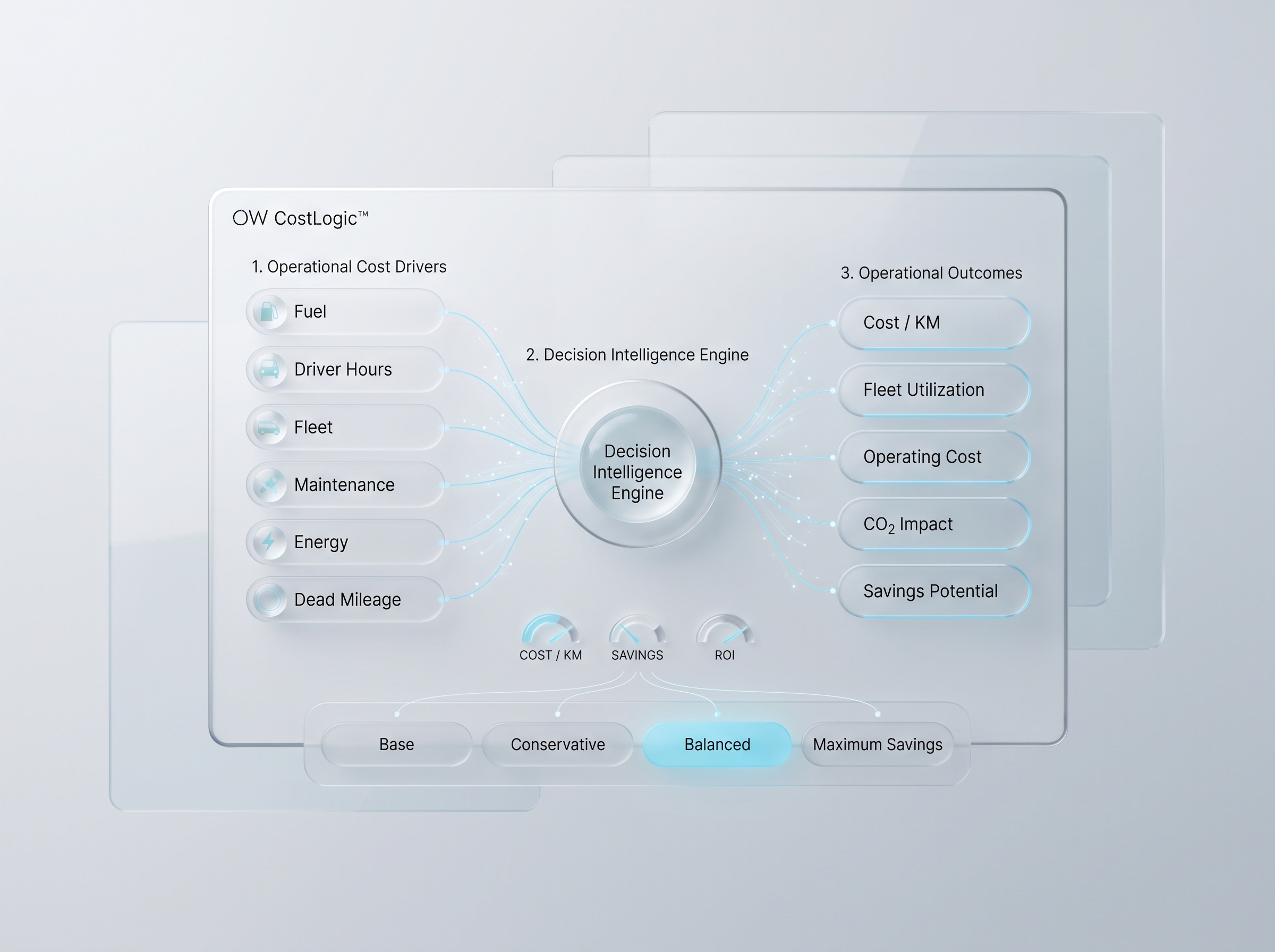
Every morning, before a single passenger boards, a silent migration occurs in cities worldwide: thousands of buses travel from depots to starting points, completely empty. This "dead mileage" or "empty kilometers" is often dismissed as an unavoidable operational necessity. But in reality, it's one of public transport's most significant—and most overlooked—sources of waste.
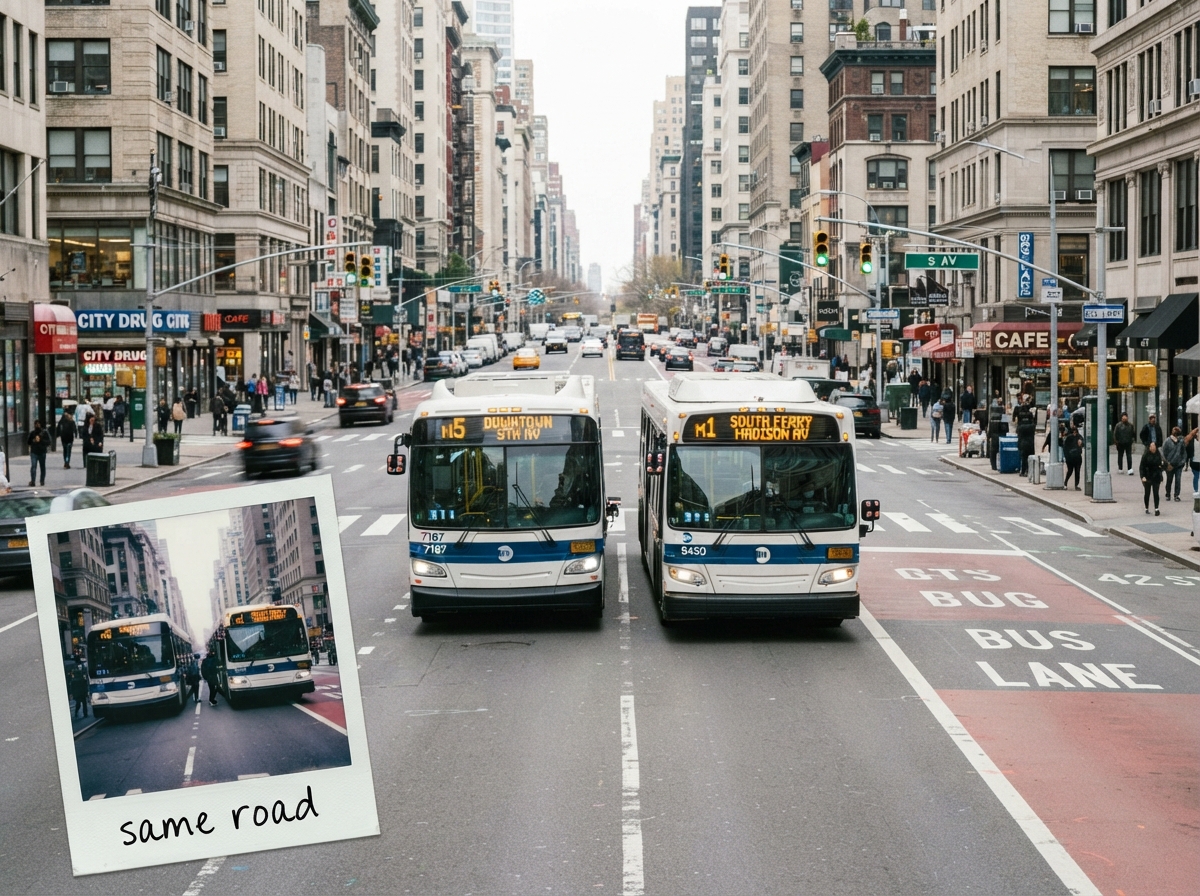
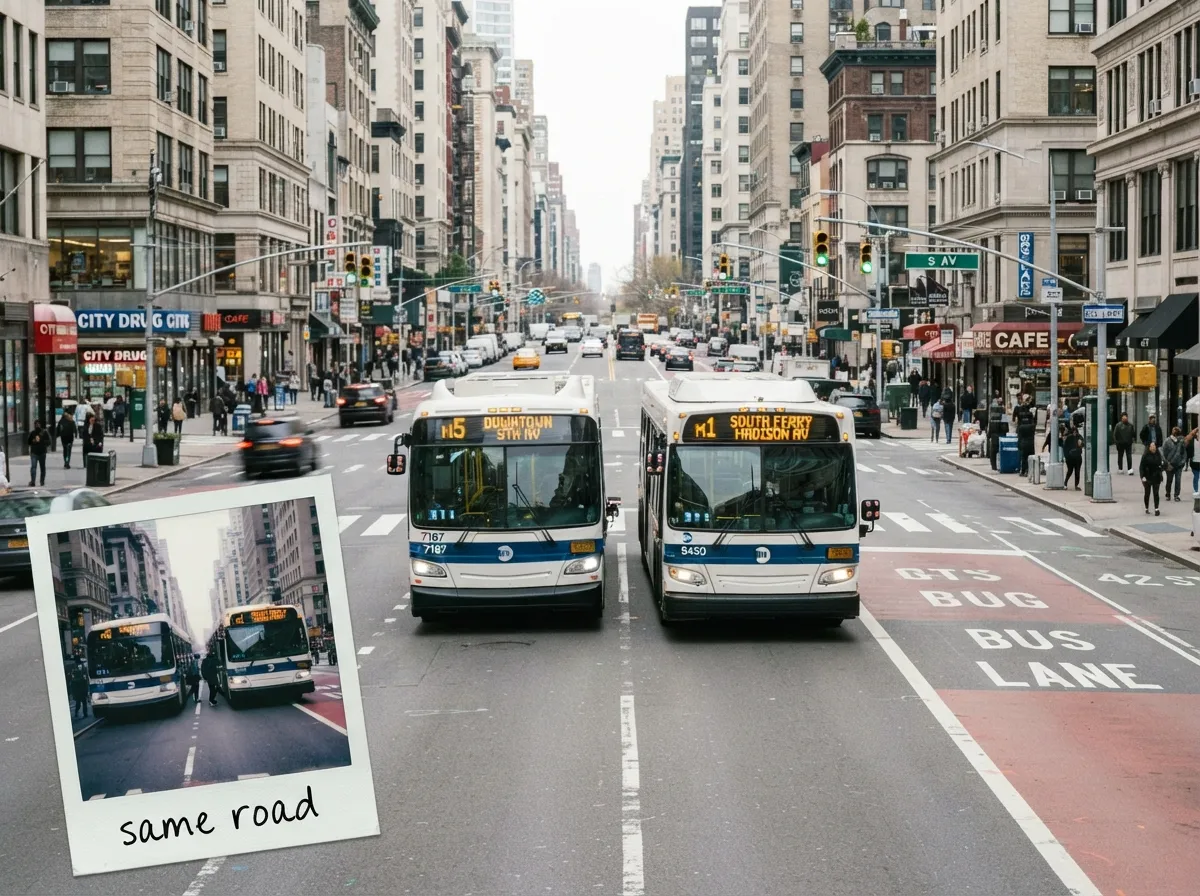
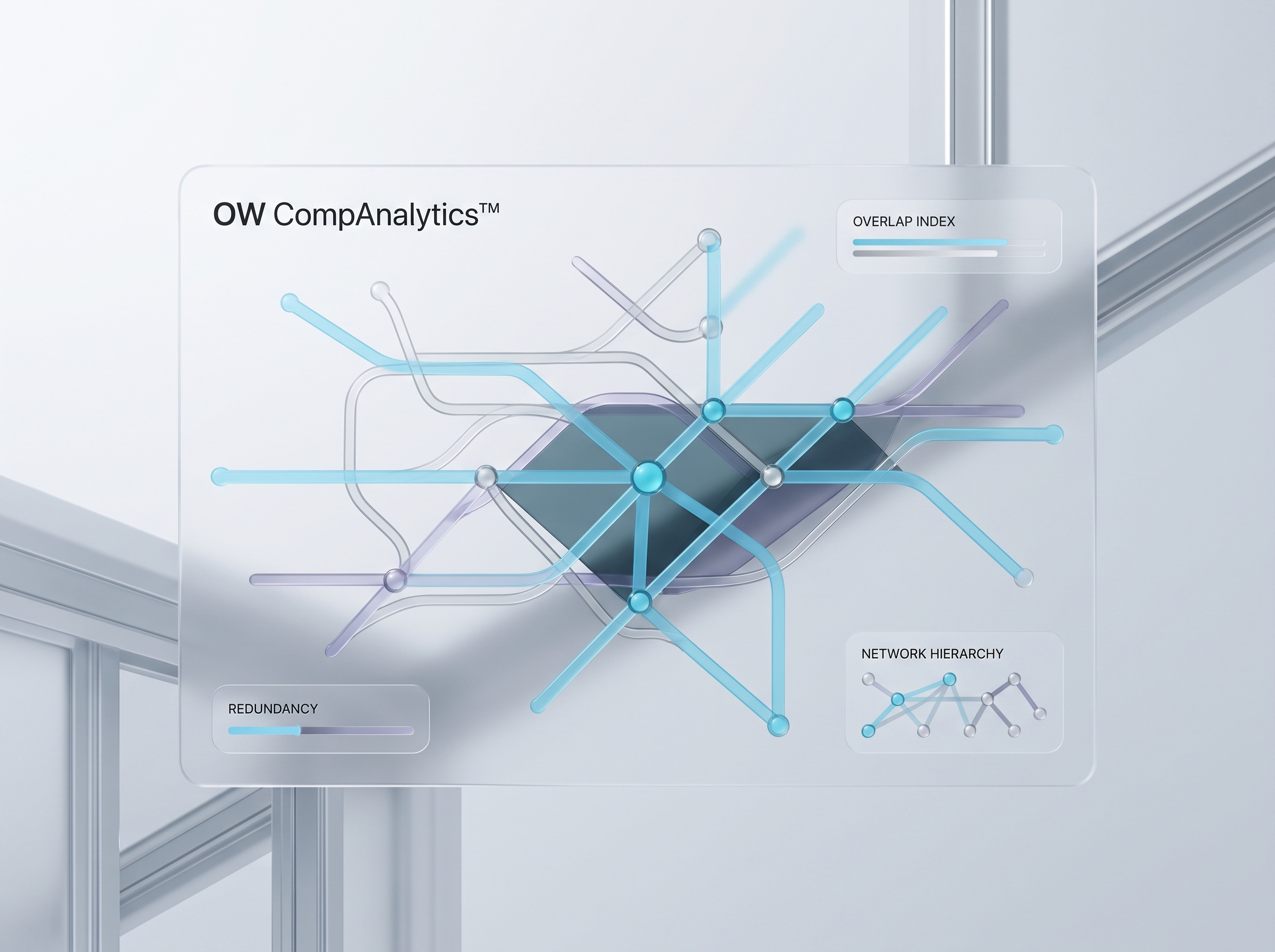
A common scene plays out daily on many city arteries: two or more buses with different line numbers travel the same corridor mere minutes apart, seemingly chasing the same passengers. This is not strategic service design; it's often the result of unplanned growth and historical legacy.
Every public transport system runs on two essential fuels: the diesel or electricity that powers its vehicles, and the data that powers its decisions. While the first is meticulously measured and managed, the second—specifically your GTFS data—often operates in the shadows.
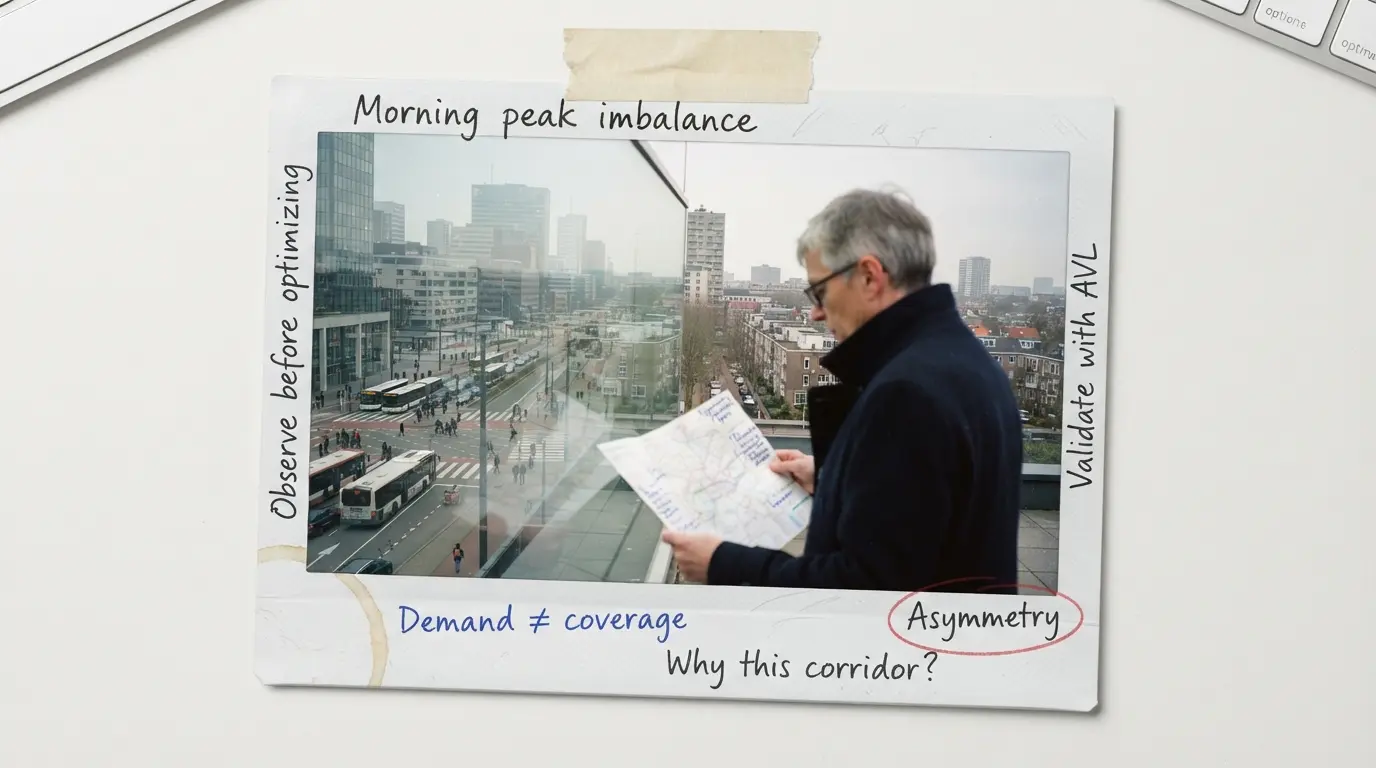
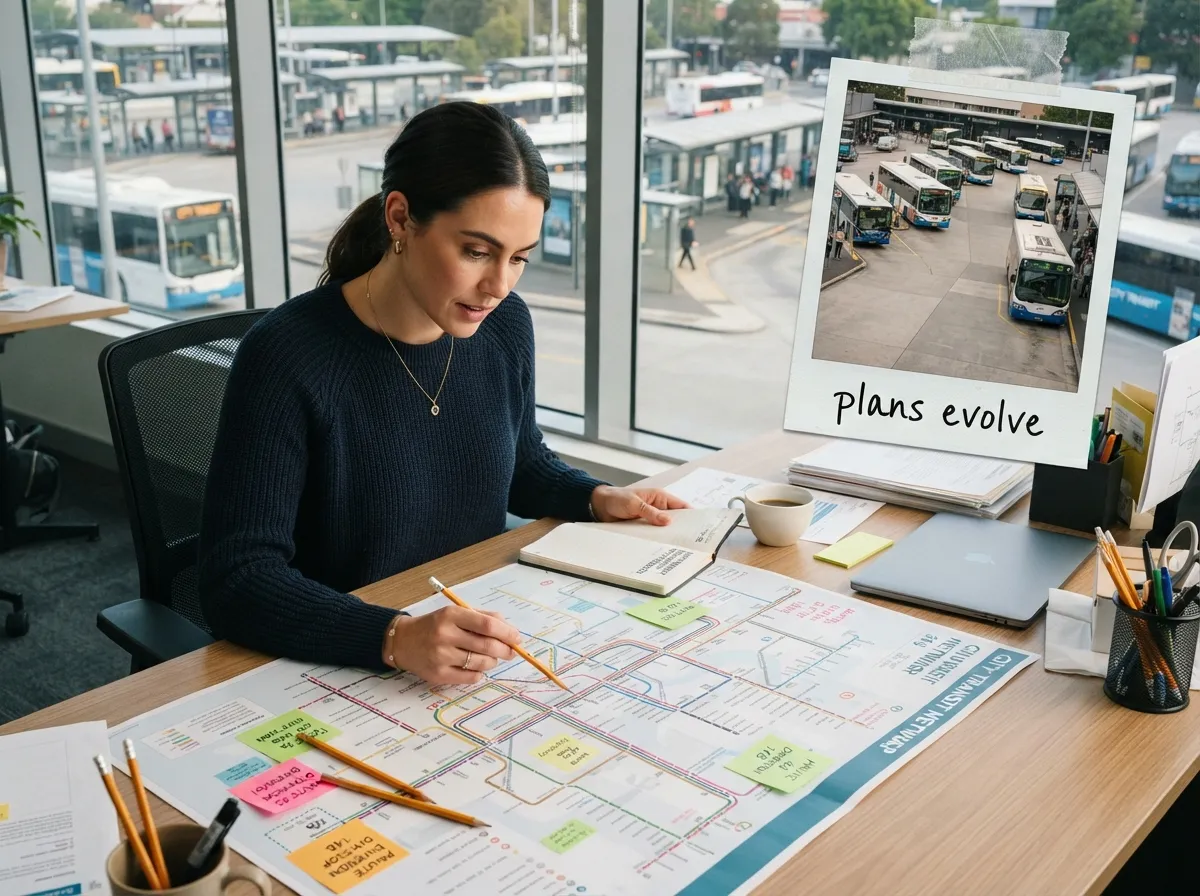
Every morning, public transport planners look at maps that seem perfectly organized. But there is a silent observer that static plans fail to account for: the inherent volatility of urban life.