Are Ants Better Than Urban Planners?
What collective intelligence can teach us about public transport — and why exploring the solution space matters more than picking a single algorithm.
Deep-tech perspectives on urban optimization, operational science, and decision intelligence.

What collective intelligence can teach us about public transport — and why exploring the solution space matters more than picking a single algorithm.
Series
From planning to data to operations — a three-part reading path. Each chapter sets up the next decision.
Quick Topics
How people perceive waiting, reliability, and trust — and why comfort is an operational cost.
Depot pull-outs, dead runs, and the fleet math that never shows up on the passenger map.
When GTFS looks clean on paper but the street tells a different story about service quality.
Research, models, and operations research — framed for people who approve the next timetable.
Small cities, fare-free experiments, and networks where budget and ridership collide.
What strategy games get right about transit — and what real cities must still prove.
Editor's PickWhat collective intelligence can teach us about public transport — and why exploring the solution space matters more than picking a single algorithm.
10 min read

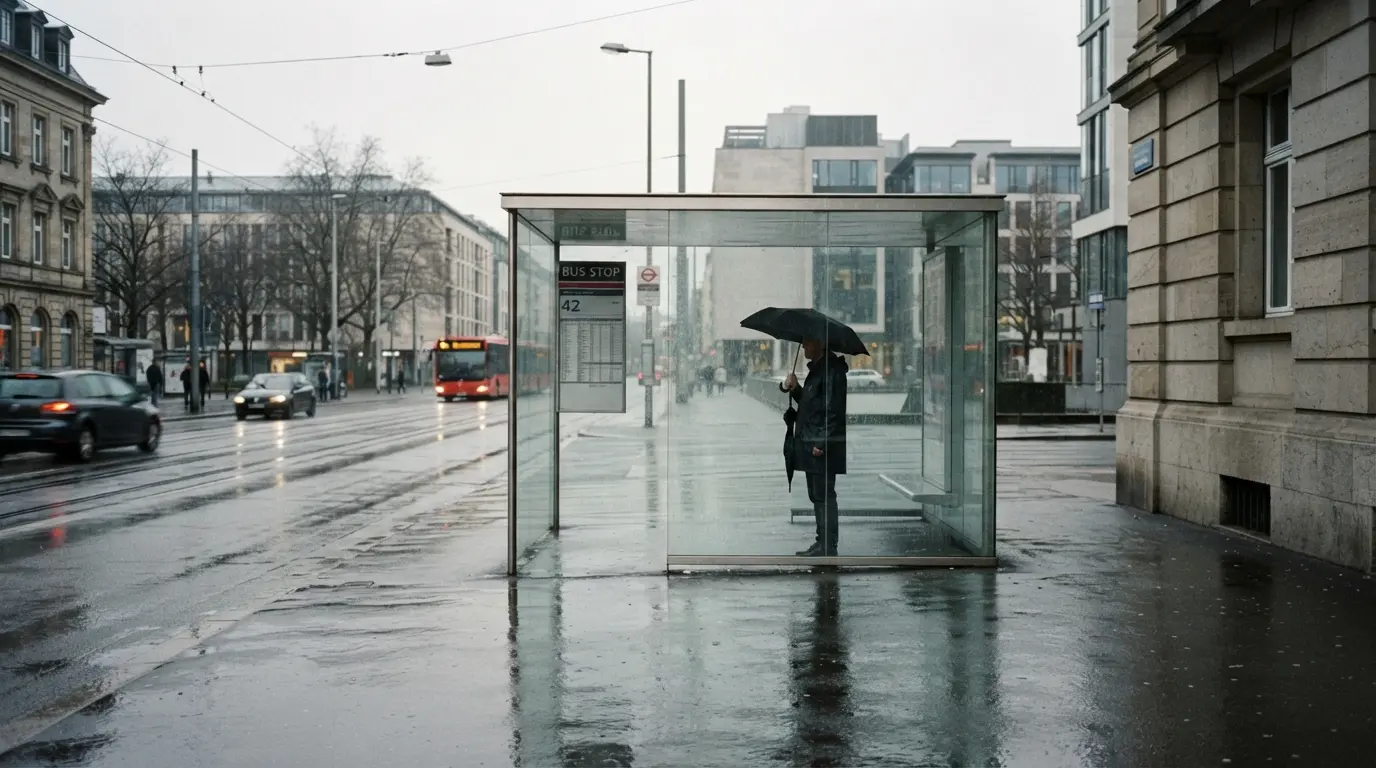
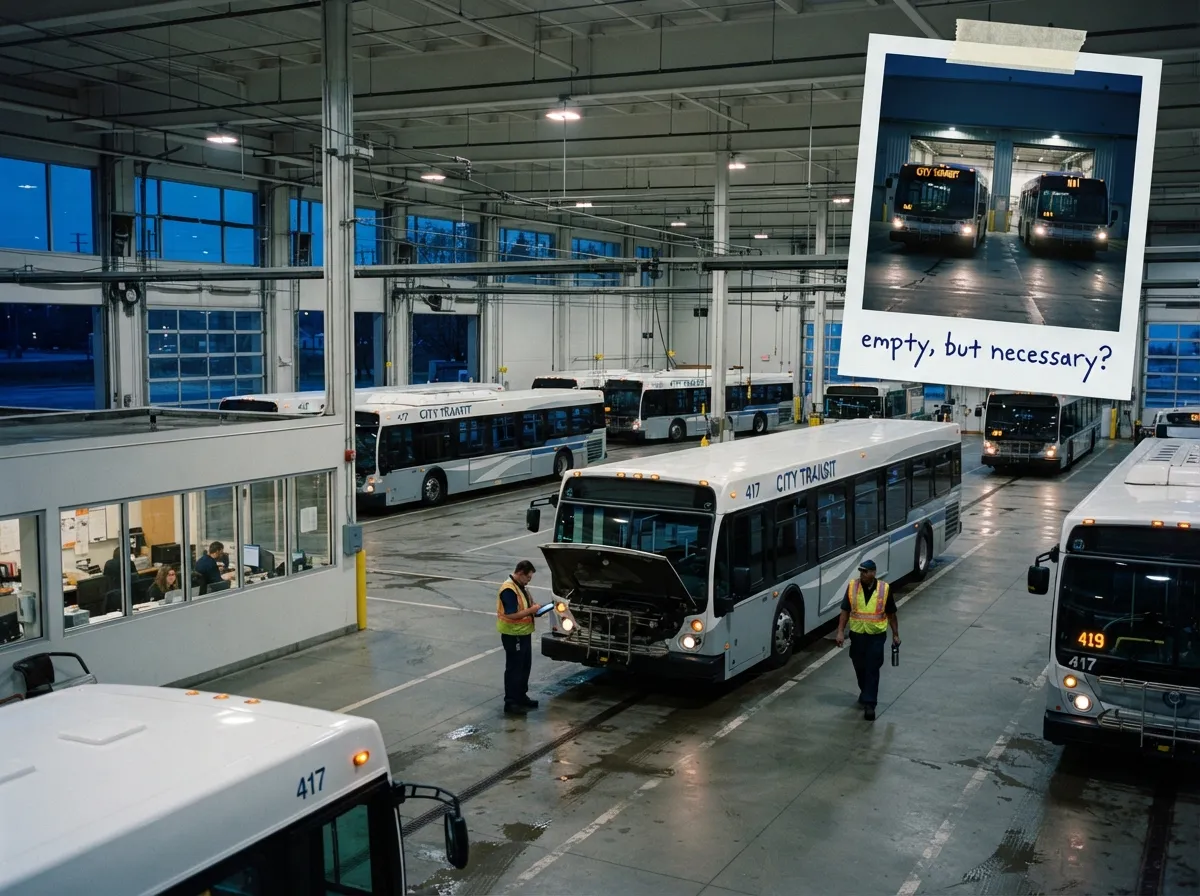
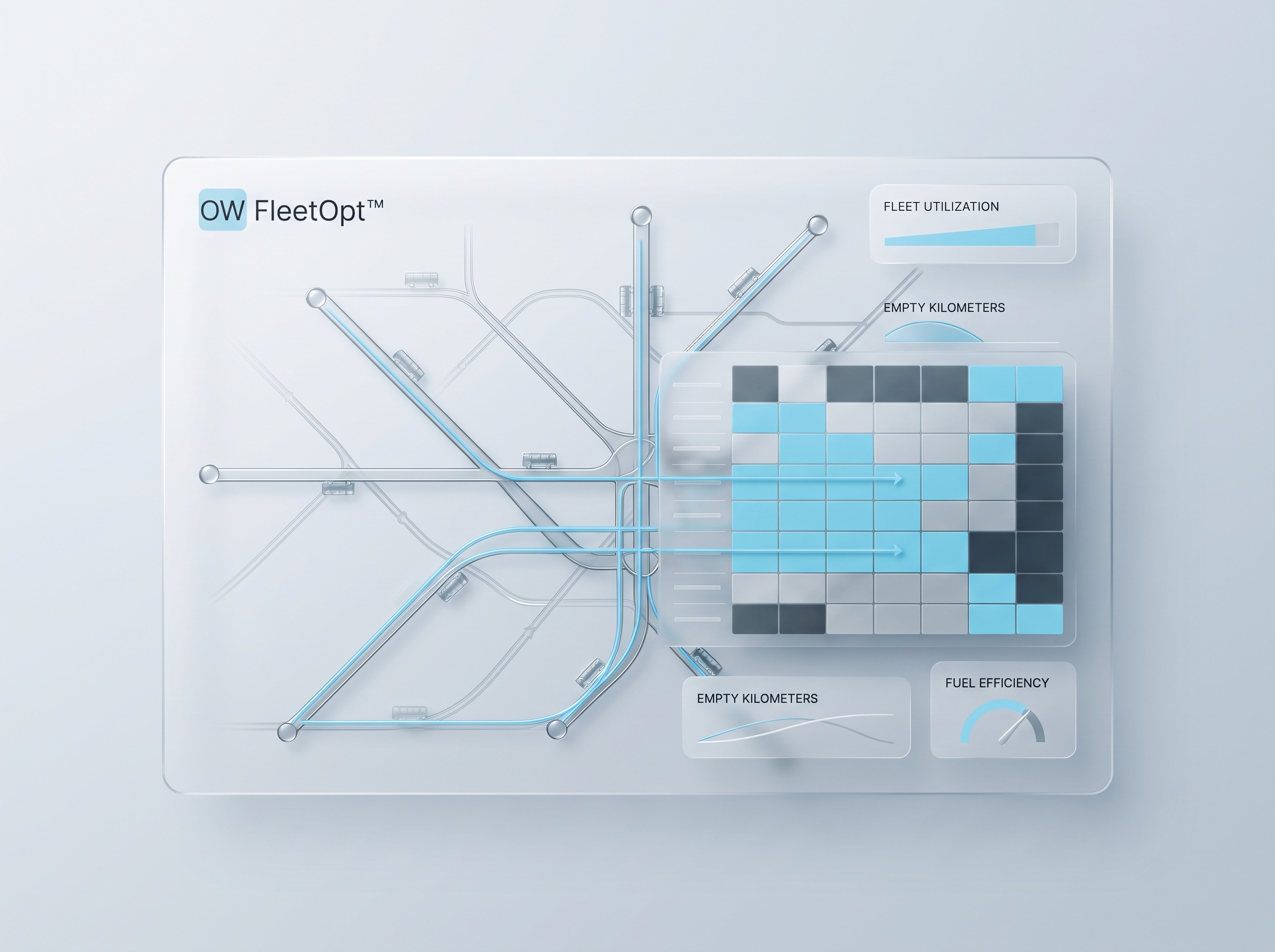
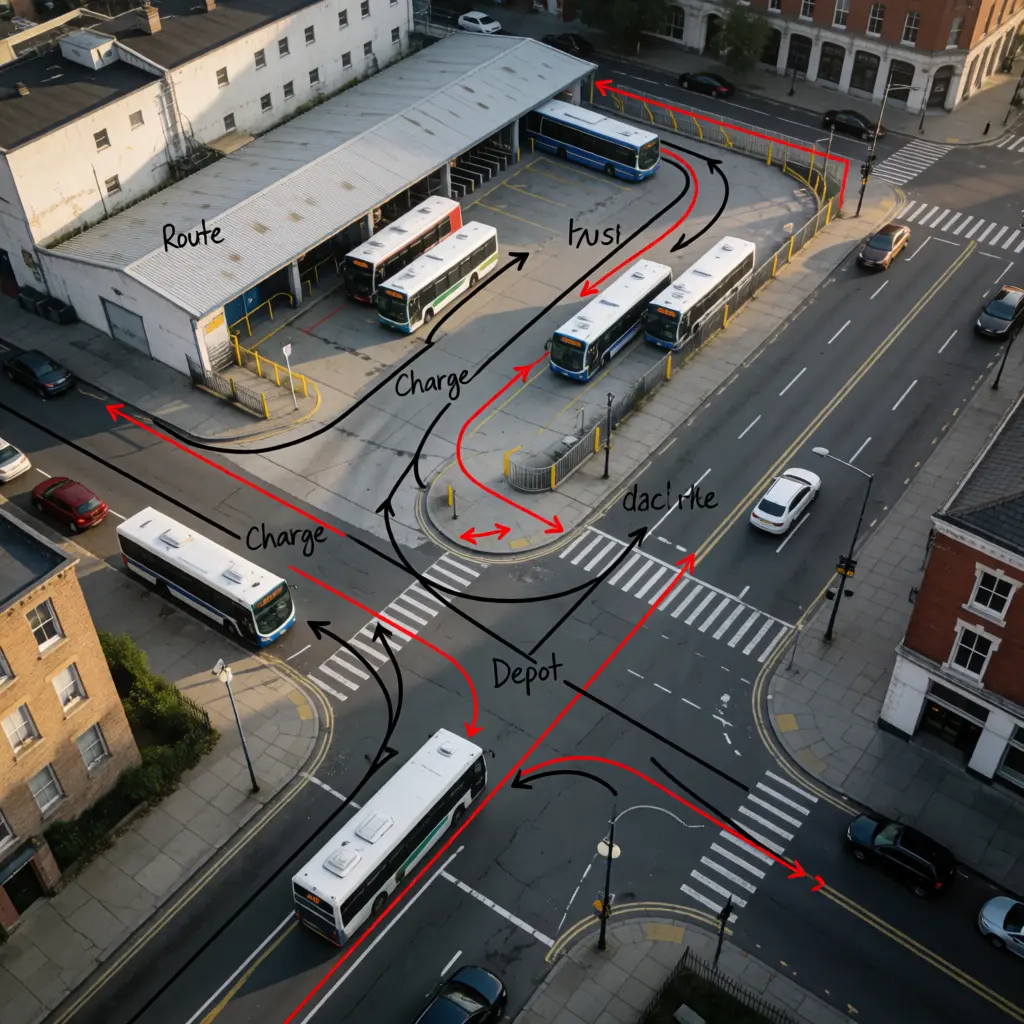
Every morning, before a single passenger boards, a silent migration occurs in cities worldwide: thousands of buses travel from depots to starting points, completely empty. This "dead mileage" or "empty kilometers" is often dismissed as an unavoidable operational necessity. But in reality, it's one of public transport's most significant—and most overlooked—sources of waste.
Related Modules
Used in this piece
Transit isn't optimizedby adding more buses.
Related Modules
Used in this piece
Continue exploring