Featured InsightDeep Dive
Is a Transfer Always a Bad Thing?
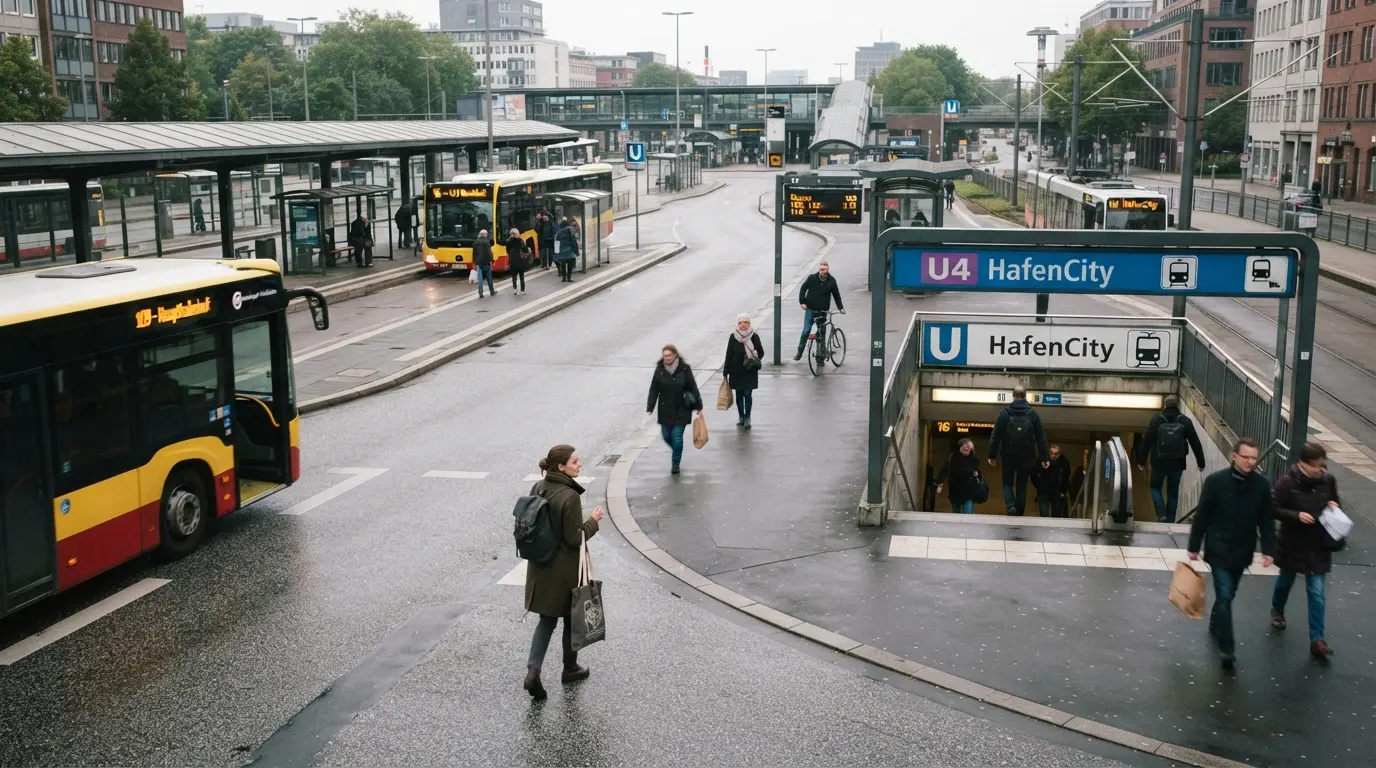
A direct journey is always better — or is it? How splitting a corridor can reduce cost, improve frequency, and still serve passengers well.
12 min readEditor: Dr. Ümit KuvvetliRead
Deep-tech perspectives on urban optimization, operational science, and decision intelligence.
A direct journey is always better — or is it? How splitting a corridor can reduce cost, improve frequency, and still serve passengers well.
Series
From planning to data to operations — a three-part reading path. Each chapter sets up the next decision.
Quick Topics
How people perceive waiting, reliability, and trust — and why comfort is an operational cost.
Depot pull-outs, dead runs, and the fleet math that never shows up on the passenger map.
When GTFS looks clean on paper but the street tells a different story about service quality.
Research, models, and operations research — framed for people who approve the next timetable.
Small cities, fare-free experiments, and networks where budget and ridership collide.
What strategy games get right about transit — and what real cities must still prove.
 Editor's Pick
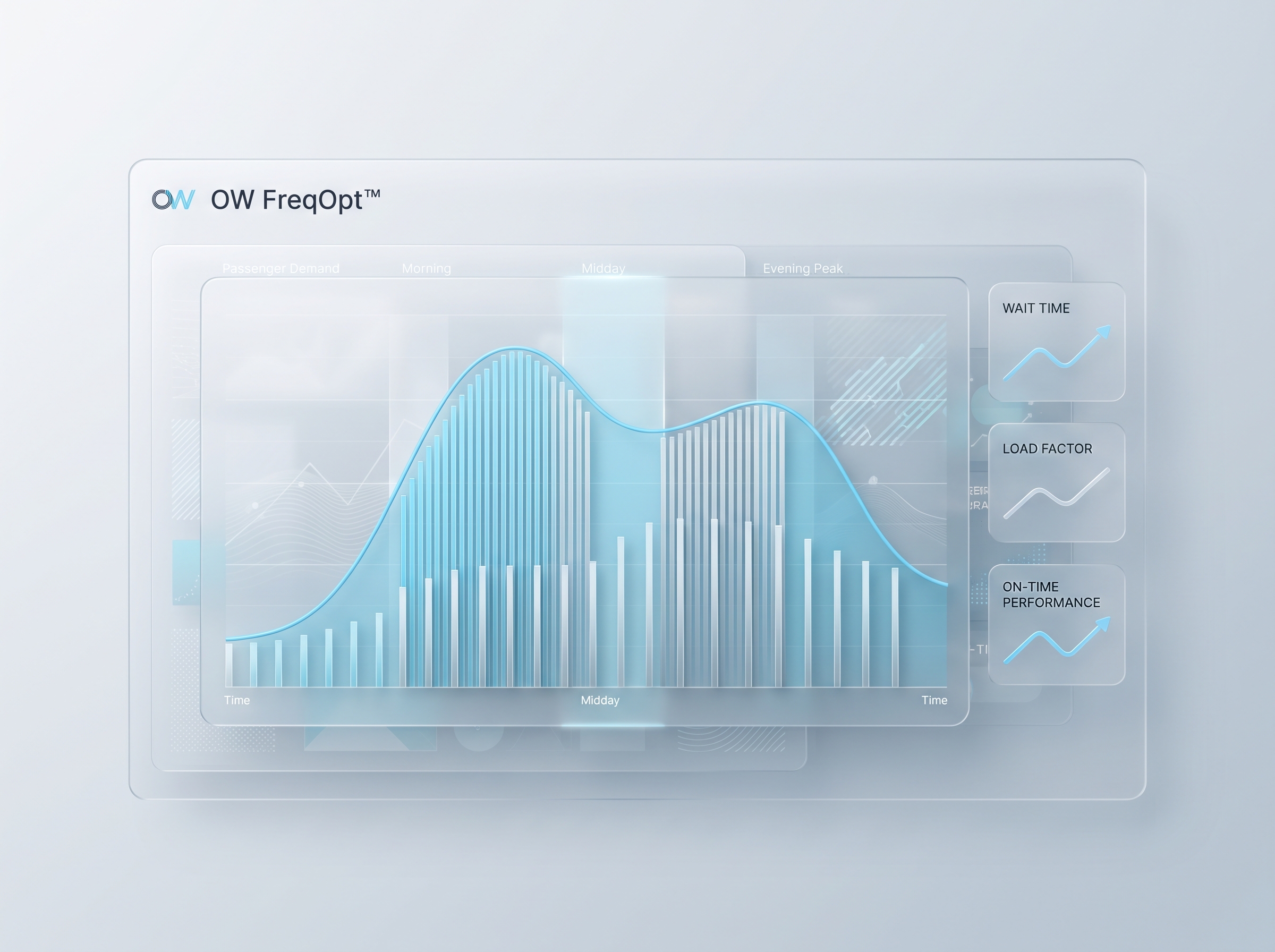
Passenger demand and limited operational resources share the same network. The real challenge is not more buses — it is aligning supply with how people actually travel.
8 min read
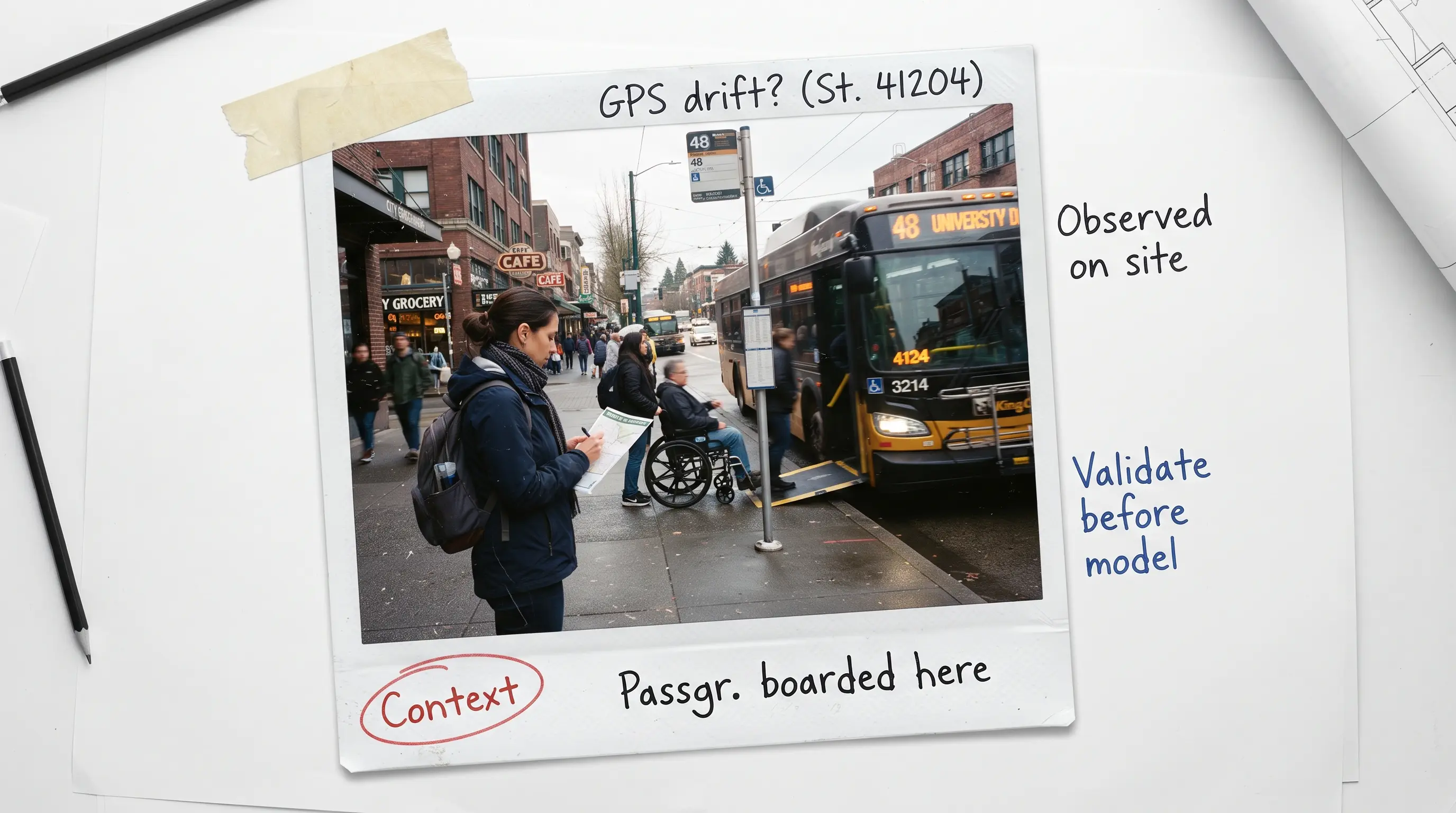
Cities already have the data. The real question is which evidence deserves to be trusted before optimization, AI, or digital twins begin.
Transit isn't optimizedby adding more buses.

Every public transport system runs on two essential fuels: the diesel or electricity that powers its vehicles, and the data that powers its decisions. While the first is meticulously measured and managed, the second—specifically your GTFS data—often operates in the shadows.

Every morning, public transport planners look at maps that seem perfectly organized. But there is a silent observer that static plans fail to account for: the inherent volatility of urban life.
Related Modules
Used in this piece
Continue exploring